
Planting Early Potatoes

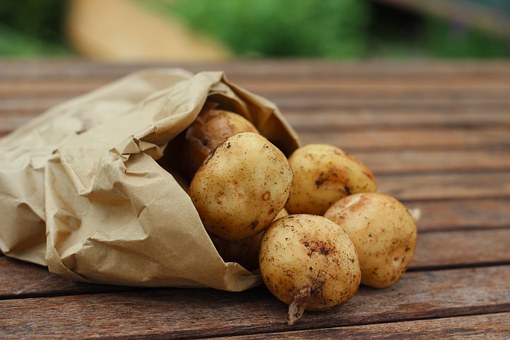
Planting Early Potatoes in a Polytunnel
Earlies or new potatoes are quick off the mark and are ready 80 - 100 days after planting. Planting early potatoes can be a rewarding way to enjoy fresh new potatoes ahead of the traditional outdoor planting season. While early varieties are typically planted in March, using a polytunnel or greenhouse allows you to start much sooner, providing an early harvest in April or May, depending on weather conditions.
Chitting Potatoes
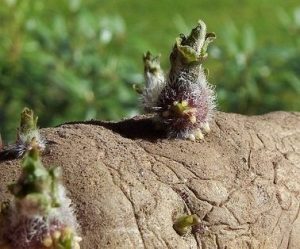
Chitting, or pre-sprouting, gives seed potatoes a head start before planting. This process encourages the development of strong sprouts and leads to an earlier and potentially more abundant harvest. Here’s how to chit your seed potatoes:
- Select a suitable spot: Place your seed potatoes in a light, frost-free environment at a temperature of 8°C-10°C.
- Arrange correctly: Position the seed potatoes in a single layer with the majority of their eyes facing up. For small batches, egg boxes work well; for larger quantities, use seed trays or wooden boxes.
- Wait for sprouts: Once the potatoes develop 2-3 short, sturdy chits (0.5cm-2cm long), they are ready for planting. Healthy chits should be green or purple; long, pale chits indicate insufficient light.
Soil Preparation
Potatoes should be grown in deep, fertile soil that is well drained and contains plenty of organic matter. Potatoes need potash so dig in plenty of well rotted manure, compost and seaweed or approved organic potash fertilizer. Do not add lime - potatoes dislike lime and its presence in the soil appears to encourage scab.
Planting Early Potatoes
For very early earlies you will need to plant in a polytunnel or glasshouse. Dig trenches 8/12cms deep, putting the soil to one side. Place the potatoes in the trench with the shoots pointing upwards, cover with soil. Don't plant too deep as it is colder for the young plants. Plant Earlies 25 - 30cm apart in rows 40-50cm apart.
You can also plant in large pots/containers or even rolled down compost sacks (make sure to put holes in first). These should be filled with good quality potting compost and a small amount of general purpose organic feed - such as Topmix.
General Care
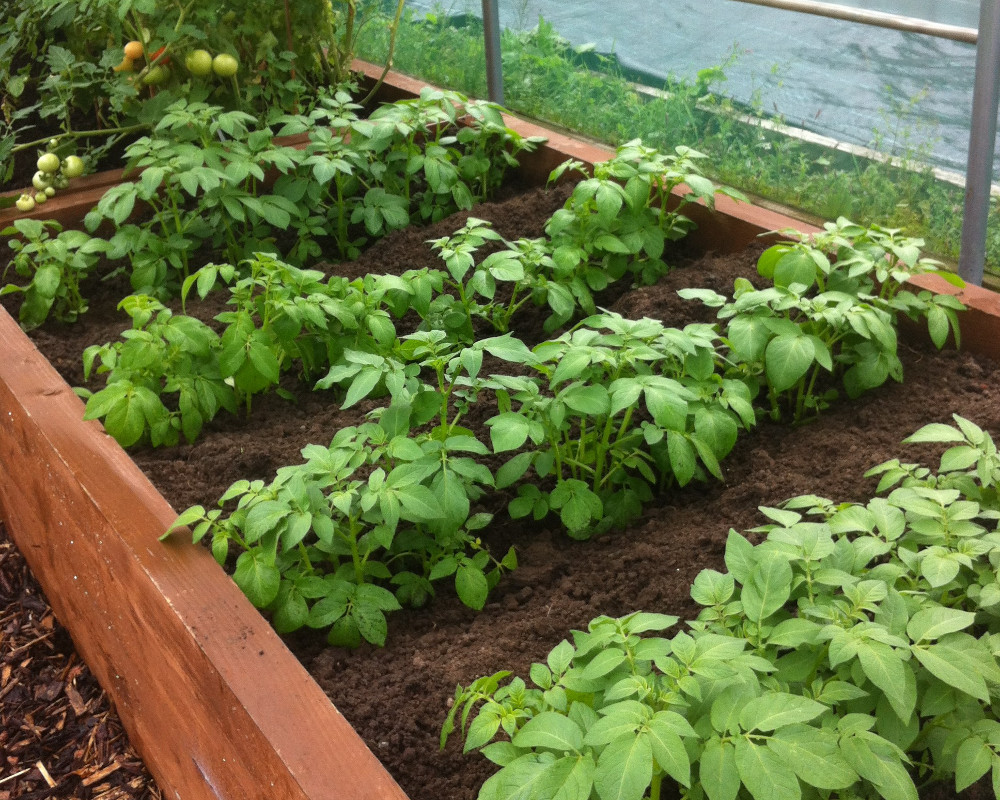
- When the shoots appear, use a draw/ridging hoe to pile up the soil over them (earthing up). The shoots should be just buried and a small ridge created on either side. This should be done about three times, or until the haulm (foliage) is too big to cover. Earthing up protects the tubers from frost and reduces the number of green potatoes. It also helps get rid of weeds. If using containers then top up with soil or compost as the shoots appear.
- Potatoes are sensitive to frost. So if frost is forecast you should either apply a little heat to your tunnel to keep it above zero, or cover your young plants with crop cover.
- Make sure to irrigate the plants as they grow.
- To increase yield you can give the established plants a potash rich liquid feed every two weeks - liquid seaweed or Vinasse are very suitable for this and would be much appreciated.
Harvesting
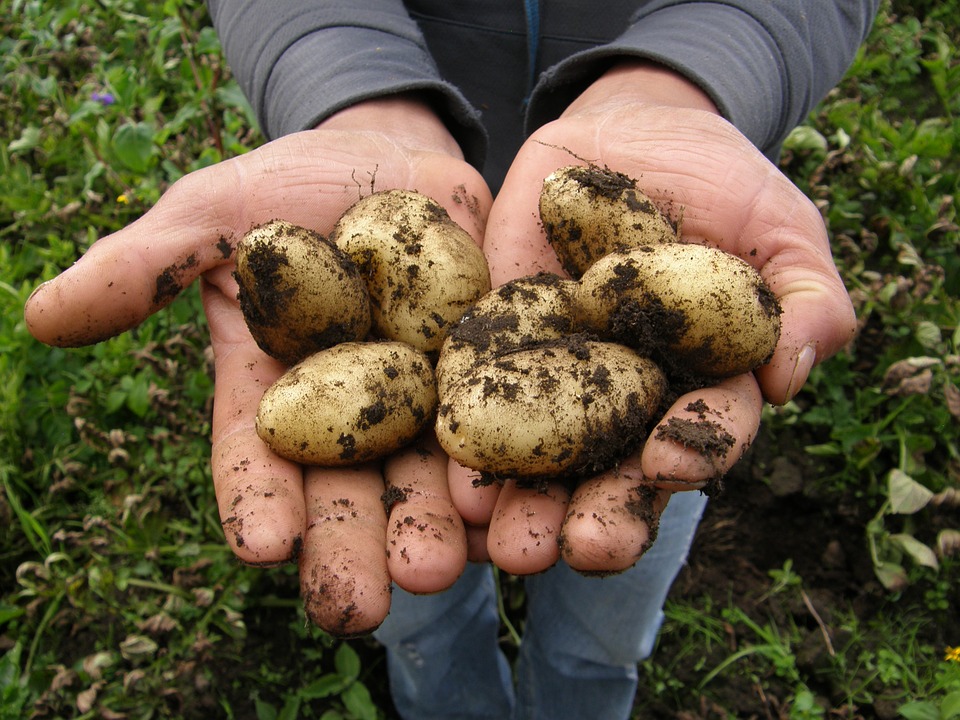
The wait is finally over! When the plants are about 80 days old – and quite big – have careful look underneath to inspect you bounty. Start harvesting when you are happy with what you see. Earlies are best straight from the ground so only harvest what you need for dinner.
For more information on growing potatoes throughout the season, see our general guide on potato cultivation.