Companion Planting

Companion Planting
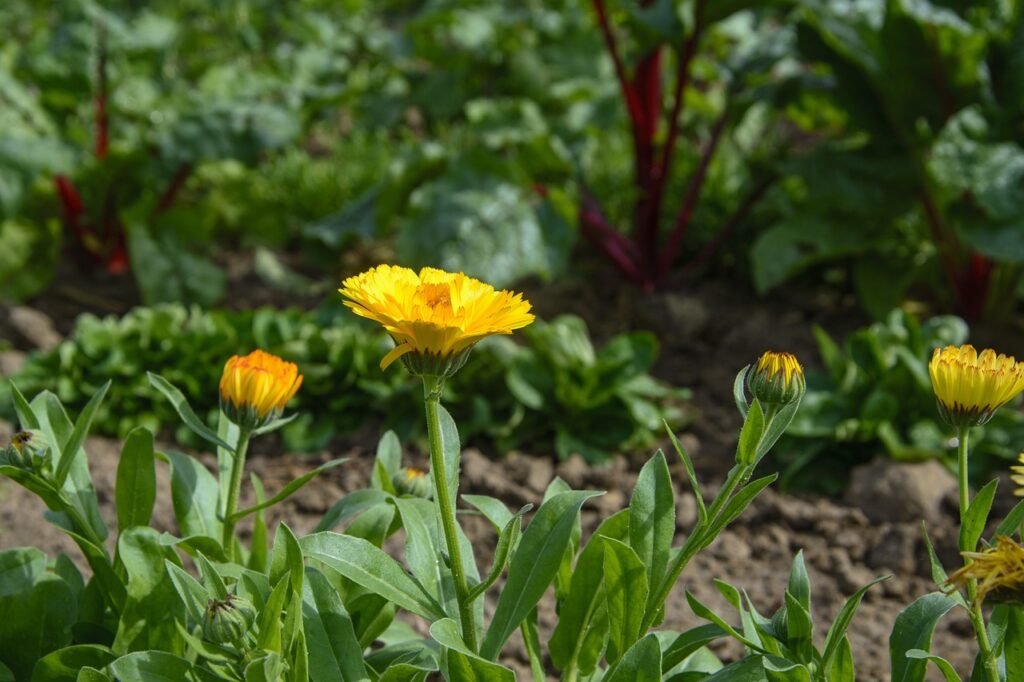
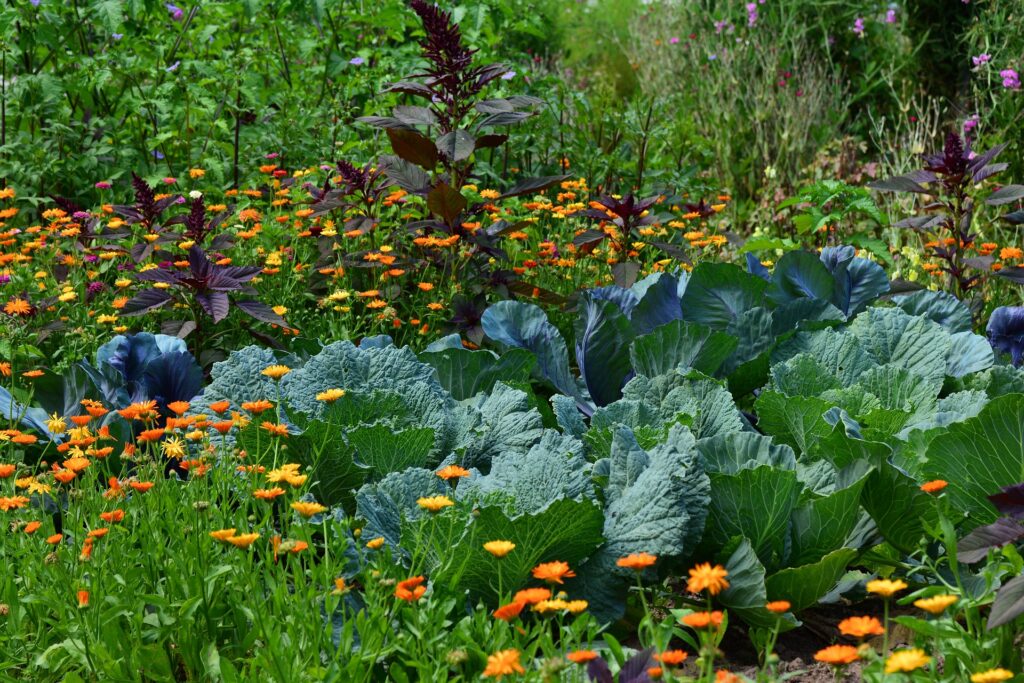
Companion planting is the practice of strategically pairing different plants together to create a mutually beneficial environment. By selecting plant combinations that complement each other, gardeners can enhance crop growth, increase pest resistance, improve soil fertility, and attract beneficial insects. Combination planting can also maximise the use of space, which can be handy for people with smaller gardens. And of course it looks attractive too.
Benefits of Companion Planting
- Pest Management: One of the primary benefits of companion planting is natural pest control. Some plants have the ability to repel or confuse pests, acting as natural insect deterrents. For example, the strong aroma of french marigolds, basil or mint can repel pests like aphids and other harmful pests.
- Increased Biodiversity: Companion planting encourages biodiversity by creating a diverse range of plants within a confined space. Planting flowers such as marigold, calendula and nasturtium can help attract a wide array of beneficial insects, such as ladybugs and bees, which aid in pollination and pest control. Additionally, a diverse garden ecosystem helps prevent the proliferation of specific pests or diseases that target particular plant species, leading to a more balanced and resilient garden.
- Space Optimisation: Companion planting allows for efficient use of garden space. By carefully selecting compatible plants, gardeners can maximise the productivity of each square foot. For example, tall-growing plants like corn can provide shade for shorter plants, such as lettuce or spinach, protecting them from excessive sunlight and heat. This intermingling of plants optimises space utilisation and encourages healthy growth.

Examples of Companion Planting
- Three Sisters: This Native American planting technique involves growing corn, beans, and squash together. Corn provides support for the beans to climb, beans fix nitrogen in the soil, and squash acts as a living mulch, suppressing weeds and conserving soil moisture.
- French Marigolds and numerous Vegetables: French Marigolds (Tagetes Patula) are renowned for their ability to repel nematodes and aphids. They also attract beneficial insects such as ladybugs, lacewings, hoverflies, parasitic mini-wasps and other predatory insects that will feed on aphids and other garden pests. Marigolds are often planted with tomatoes and carrots.
- Borage & Strawberries: Borage is a magnet for pollinators such and bees, butterflies and hoverflies which help pollinate the strawberries. It's also said it can help improve their flavour.
- Carrots & Onions: Planting carrots and onions together is beneficial because the pungent smell of onions can help deter the carrot root fly, while the scent of carrots helps repel the onion fly.
- Nasturtium & Broad Bean/Brassicas: Nasturtiums serve as an effective trap crop when planted with broad beans. They attract black flies away from the beans, safeguarding the primary crop. They work similarly with brassicas luring hungry caterpillars away.
Here's a simplified list of common vegetables along with their compatible and incompatible companions:
| Vegetable | Compatible | Incompatible |
| Tomatoes | basil, marigolds | cabbage family, potatoes |
| Potatoes | beans, corn | tomatoes, squash |
| Carrots | marigold, onions | dill, potatoes |
| Cucumbers | beans, corn | potatoes |
| Onions & Leeks | carrots, lettuce | peas, beans |
| Peppers | tomatoes, basil | beans, brassicas |
| Courgettes | nasturtiums, peas, corn | potatoes, fennel |
| Peas & Beans | borage,natsturtium, corn | onions, garlic |
| Brassicas | celery, onions, marigolds | tomatoes |
| Beetroot | onions, lettuce | mustard |

Tips for Companion Planting
- Plan According to Sunlight Needs: Place taller plants, such as corn or sunflowers, on the north side of the garden to prevent them from overshadowing shorter plants. Ensure that plants with high sunlight requirements are not shaded by taller neighbours.
- Consider Root Systems: Pair plants with complementary root depths. Shallow-rooted plants like lettuce can be grown alongside deeper-rooted plants like tomatoes to maximise space and resources.
- Shade-Tolerant Companions: Plant shade-tolerant vegetables, such as spinach or chard, near taller plants. They prefer semi-shade during the summer months.
- Space for Air Circulation: Ensure adequate spacing between plants to promote air circulation, reducing the risk of fungal diseases.