
Growing a Medicinal Herb Garden
Growing a Medicinal Herb Garden
What a satisfying thing – to be able to grow and harvest your own herbs for teas, or to make infused oils and herbal tinctures. We have many edible and medicinal herb seeds that could be part of your garden and kitchen. Here are some tips and ideas for choosing and planting your own herb garden, plus some teas and recipes to try.
Growing Conditions
A lot of the herb seeds we stock, prefer a Mediterranean climate, dry and lots of sunshine, not something we have a great deal of in Ireland! So how do we get around this? Well a polytunnel or greenhouse is the best option. Watering can be controlled, and temperatures are much higher – so all of the herbs we stock can be grown in this environment.
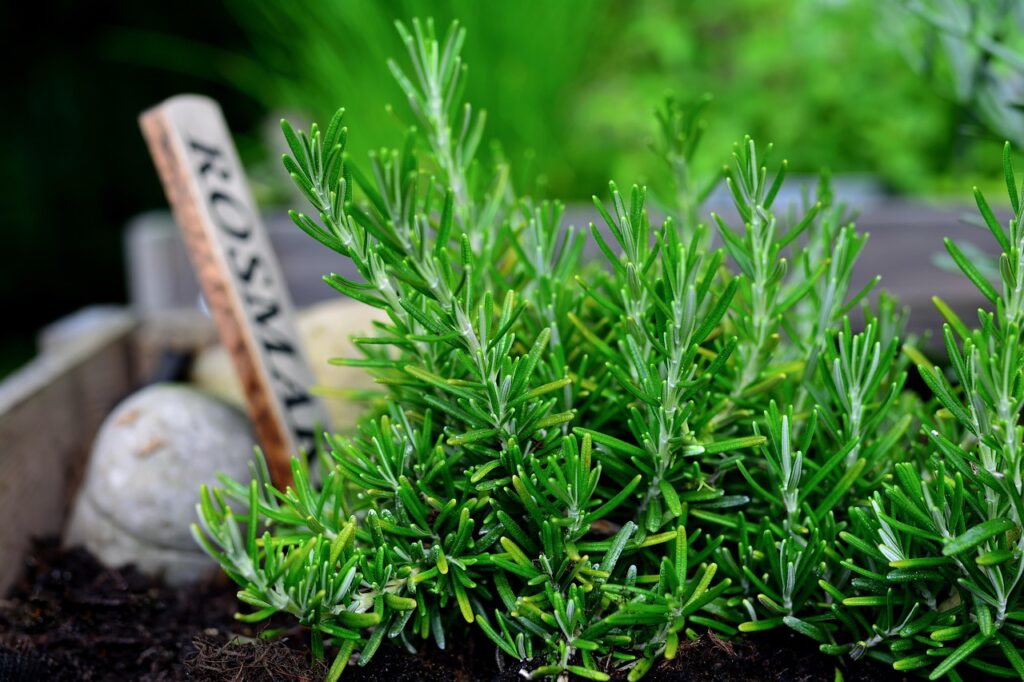
Some of the most aromatic herbs (sage, thyme, lavender, rosemary) do not like to have wet roots over the winter months, but not everyone has access to a polytunnel. So if you only have outdoor space, fear not, we can still work around this.
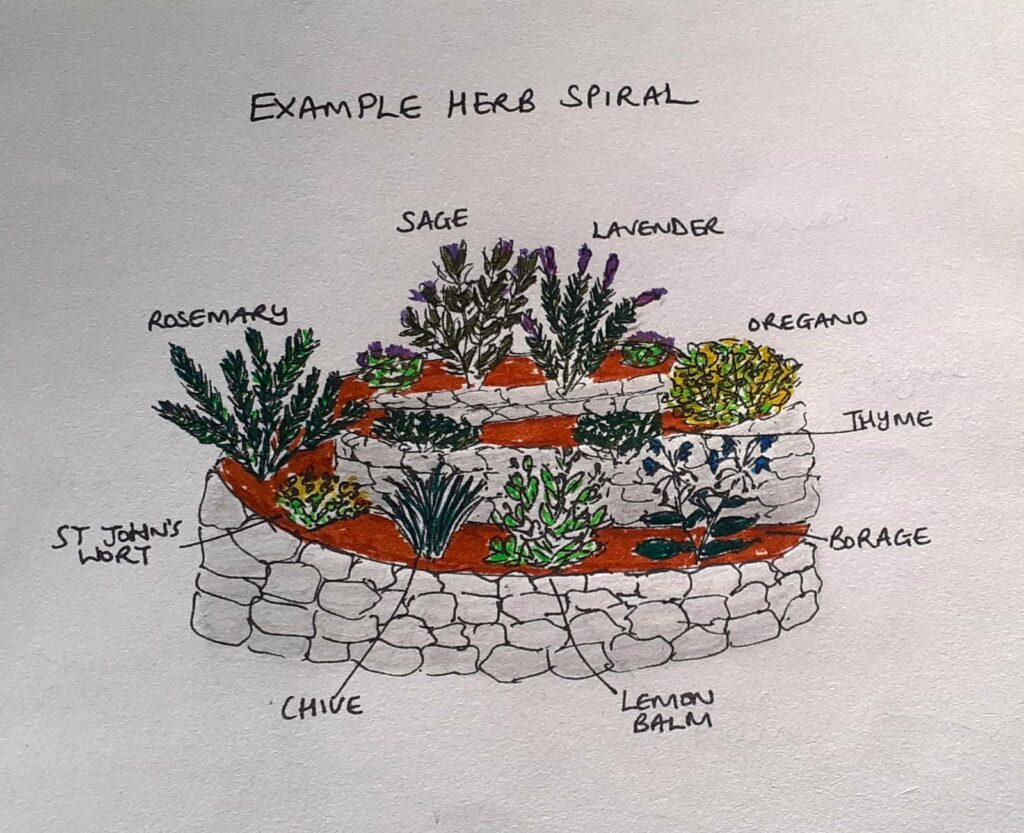
Raised beds or herb spirals allow us to create better drainage. Alongside clever positioning; against a south facing wall, in a place that is a sun trap, or using wind breaks - we can improve temperatures as well. You can even get creative by building a small lean to/roof over your herb area.
Whatever space you create, incorporating gravel at the base of raised beds and herb spirals allows better drainage, combined with a good free-draining planting substrate, such as our Klassman Potting Compost. To improve drainage in the soil, perlite can also be used. If you have a very small or urban garden, you can use large tubs or containers to grow your herbs.
Now, all that said about creating drainage and heat – let’s not forget that there are plenty of moisture loving medicinal or edible herbs – Valerian is one that we stock, Nettle and Lemon Balm are also tolerant of damper soils, alongside Chervil and Dandelion too. Beyond what we stock, there are a plethora of moisture-loving herbs you could add to your herb garden – such as Meadowsweet, Mint, Bog Myrtle, Marshmallow and Angelica.
Height/Space
Certain herbs need lots of space, some of the wild plants in the right places can be quite vigorous – such as nettles and yarrow. Dandelion can readily self-seed. It is good to be aware of this when planning your growing space, to make sure you have ample room. Fennel can also grow to a considerable height – 1.5m or more.
Objectives
Ok, so we have sorted the planting conditions, now what? How do you choose which ones you want for
your garden? It is good to be clear about your objectives when planning a herb garden. What do you want to use them for? Do you want to be eating them and enjoying them in your cooking/ for garnishes? If so, think about how close to the house/easily accessible do you want them to be? What else will you use them for? Do you want to be making herb teas? Or are you going to get creative and start making infused oils, creams, or tinctures.
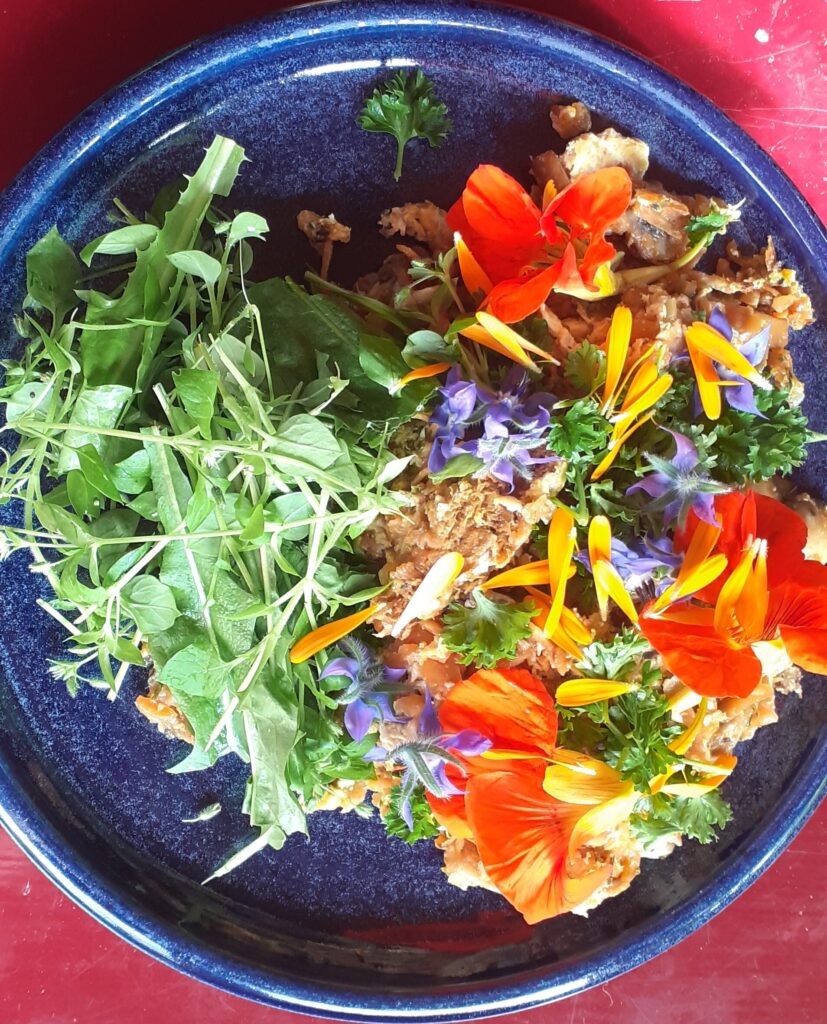
The safest and most easy to use medicinal herbs, are those classed as food herbs – ones you would eat in large quantities – such as Parsley, Coriander, Dill, Chive, Chervil, Basil – these can also be potent medicine when prepared correctly – but are fantastic food medicine to incorporate into your everyday. Just as Hippocrates said “Let food be thy medicine and medicine be thy food”
Easy food herbs that can be grown outside are – Parsley, Chive, Chervil, Dill, Fennel and Marjoram. Given good drainage and a sunny/south- facing spot, Basil, Sage, Rosemary and Thyme can also be grown.
Herb Tea/Infusion
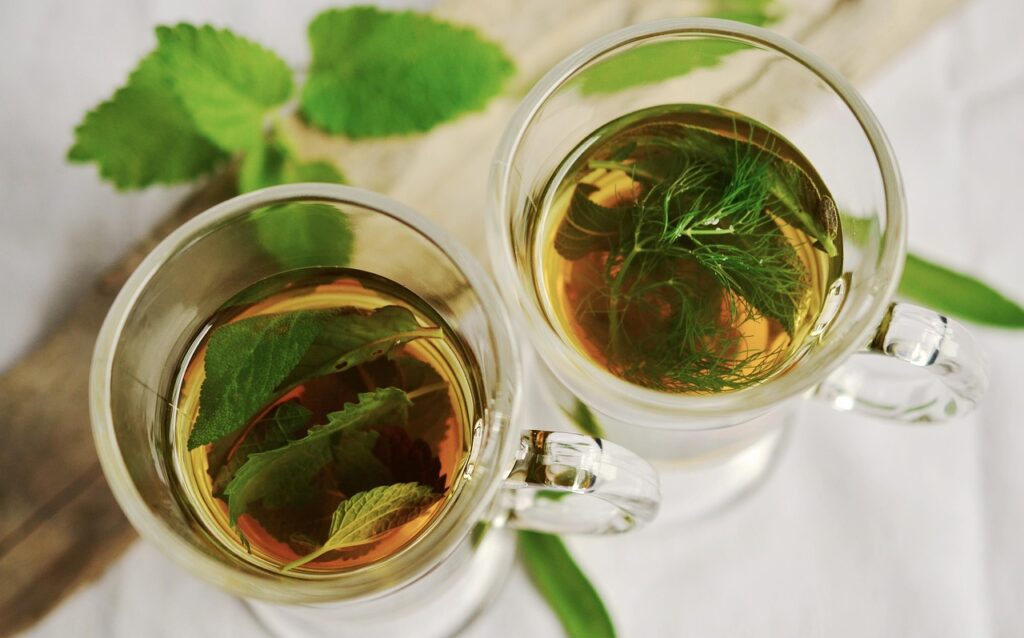
Most herbs can be used to make a herb tea (or infusion as it is officially called) – but the taste varies considerably! There are many great tasting herb teas – but from what we stock, these would be my favourite tasting ones: Anise Hyssop, Chamomile, Clary Sage, Fennel, Lemon Balm, Nettle, Rosemary, Sage and Thyme.
To make a tea/infusion - use 1 tsp dried herbs or 2 tsp fresh herbs per cup - simply pour boiling water over the herbs in a cup or pot - leave to steep for 10-15 minutes to get the medicinal benefits. If making in a cup, it is best to put a saucer or similar over the cup to keep the properties of the herbs from evaporating.
Here are some example tea blends – but feel free to experiment!
Calming and Soothing Tea Blend:
Equal parts Lemon Balm & Anise hyssop (or mint)
Digestive Aid Tea Blend:
4 parts Chamomile
4 Parts Nettle leaf
1 part Dandelion leaf
1 part Fennel seed
1/2 part Thyme
This tastes great with dried herbs - but can be made fresh as well - it will taste a little different, so play around with it. (Note: This blend is naturally bitter, which stimulates digestion – if too bitter for your taste, add honey).
Medicinal Herb Teas
Now of course, if we are looking for medicinal properties, flavour will be of lesser importance – here is a list of medicinal plants that we stock that you can make a tea from that don’t necessarily taste good, but
definitely do us good: Calendula, Valerian, Yarrow, St John’s Wort, Dandelion, Echinacea and Borage.
Please note: It is your responsibility to do your own research on these herbs before using – consult a qualified herbalist if you are unsure. Herbs can have reactions with certain medication and health conditions, so please do not use them unless you are sure they are safe for you.
Other Recipe Suggestions
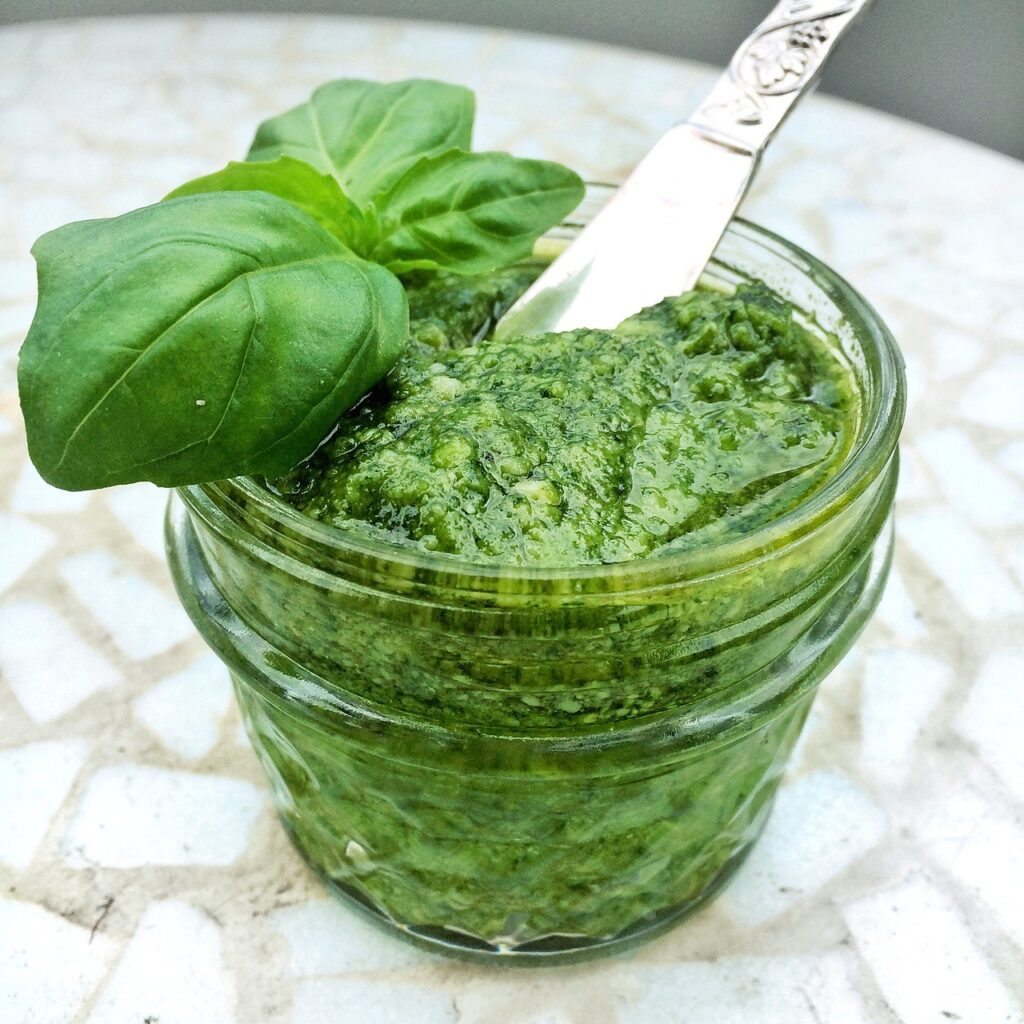
Garden Herb Pesto
Ingredients:
2 large handfuls of garden herbs*
1 garlic clove
Pine nuts or toasted sunflower seeds
Olive Oil (a few glugs)
Pinch of Salt
1tbsp Apple cider Vinegar
(optional – small bit of water to help blending process)
*Combine any soft herbs you have in the garden – e.g. Parsley, Coriander, Dill, Chervil, Basil, Chive, Marjoram, Fennel leaf - any amount of pesto can be made, but more than 2 handfuls is good – or fill a medium-sized mixing bowl. Adjust the quantity of oil to suit amount of herbs used.
Instructions:
1. In a food processor, blend the garlic with a small bit of olive oil until creamy consistency
2. Add the herbs a handful at a time along with a small bit of olive oil – blend
3. Add more herbs and more oil, and blend until you have well-mixed pesto consistency
4. Add the pine nuts or toasted sunflower seeds, salt and apple cider vinegar – give a final blend to
mix thoroughly.
5. Use immediately or spoon into sterilised jars and freeze. Pesto has a short shelf-life (due to risk of botulism) - will only keep in the fridge for 3 days.
6. Enjoy on crackers or mix into pasta, or potatoes.
Calendula Infused Oil
Ingredients:
Dried Calendula flowers
Olive Oil
Instructions:
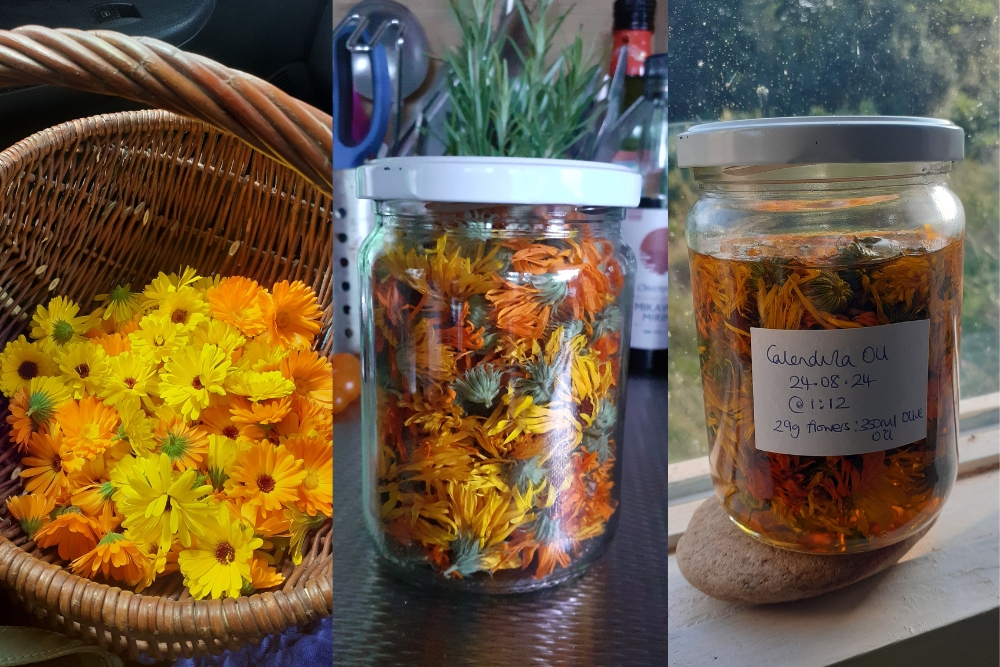
1. Fill a wide-neck jar with dried calendula flowers, cover with Olive Oil (use organic cold-pressed olive oil if possible).
2. Cover, and leave on a sunny windowsill for 6 weeks for the herbs to infuse. Strain and bottle, and store in a cool, dark place.
Use externally for cuts, grazes, burns, bites, stings, dry skin, or use as a general moisturiser. You can add a delicious scent by adding essential oils to your oil (20 drops essential oils to 100ml oil is a good dilution -1% - e.g. 10 drops Lavender, 5 drops Neroli and 5 drops Frankincense.
This blog post was written by Kate Wilding, a herbalist and natural living educator based in West Cork. Kate runs wellness workshops and foraging walks. Check out her instagram - kate.wilding.natural.living or email her on [email protected].