
The Hungry Gap

The Hungry Gap - What is it & How to Fill it?
The Hungry Gap is the in-between-seasons period after winter vegetables but before the availability of early spring crops - typically between March and early June. In the past, before global supply chains and well-stocked supermarkets, this period often meant scarcity, limited choice, and genuine hardship for many people.
Today, we can buy almost any fruit or vegetable at any time of year. But the Hungry Gap is a reminder of the natural seasonality of food. It encourages us to think about where our produce comes from, how far it travels, and the environmental impact of importing out-of-season crops.
While no one should go hungry, reconnecting with seasonal eating can deepen our appreciation for local growers, reduce food miles, and inspire us to explore fresh, local alternatives that thrive at this time of year.
How to Fill the Hungry Gap
Careful Planning and Storing
Potatoes will keep well in a cool dark place as will carrots, beetroot and parsnip provided they are kept cold enough. A cellar is ideal for this. You must inspect your stores regularly for any signs of rot as this can quickly spread. Keep an eye out for vermin too. Stored correctly, root vegetables should last well into April.
The ideal temperature for storing potatoes is between 5° and 10°C. Too warm will reduce storage life but too cold can be worse. Below 5°C the starch begins to turn to sugars and the potatoes will develop an unpleasant strange sweetish taste. Bringing them into the warm (around 15°C) for a week or two will usually cure this. If the temperature has fallen to around freezing or below, the potatoes will not only taste strange but become mushy and probably start to rot when the temperature rises.
Look After Your Overwintering Crops
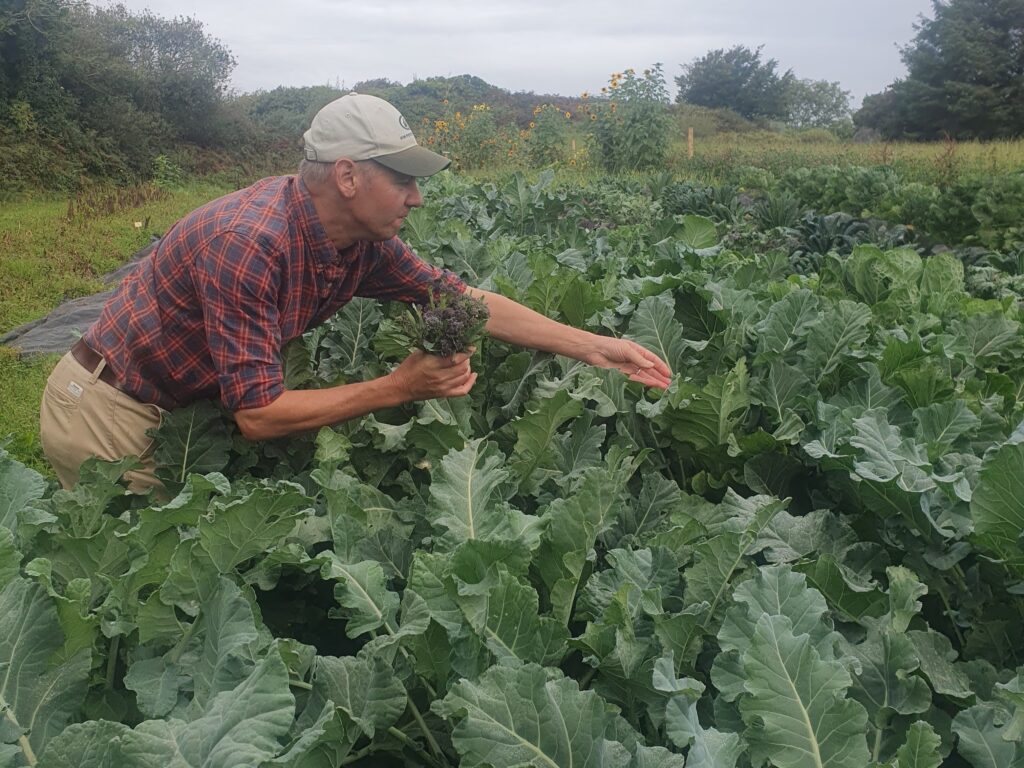
Take extra care of your cabbage, kale, broccoli and leeks. Keep them well netted to protect from birds. Regularly harvesting the broccoli shoots will delay the plants flowering. Planting the taller brassicas in a sheltered location and staking them will also help extend their life.
Sowing Seeds in Autumn
Sowing broad beans and onions in the autumn months will give you an earlier crop; as will protected planting of spring greens and early potatoes.
Investing in a Polytunnel or Glasshouse
A polytunnel gives a lot of scope for extending your season at both ends. Protection from frost, wind and heavy rain makes overwintering crops more reliable. In low-light months, a grow light can further support healthy growth.
Try a Few Perennial Veg
Perennial crops return year after year, often emerging early in the season. Consider planting rhubarb, asparagus or wild rocket to provide reliable spring harvests with minimal effort once established.
Preserve Your Harvest
Make the most of summer and autumn abundance. If you have a glut of produce, preserve it by making jams, pickles and chutneys, or by canning, freezing or dehydrating. A well-stocked larder can help fill out the leaner months.
Foraging
Wild foods can help supplement your diet in early spring. Nettles, sorrel, wild garlic and even certain seaweeds are all edible and nutritious. Always forage responsibly, positively identify plants, and harvest sustainably.
Sprouting & Microgreens
For fresh greens at any time of year, try sprouting or growing microgreens. Nutritious and fast-growing, they thrive on a kitchen windowsill and can provide a steady supply of fresh leaves in just days.
What is in season in an Irish Spring?
- Purple sprouting broccoli (January – April)
- Kale and leeks (up to April)
- Rhubarb (January – July) - Forced rhubarb is available as early as January. Cultivated in the dark in unlit sheds, it hunts for the light, growing three times quicker. Lovely delicate flavour.
- Spring greens (March – June) - The first of the new season cabbages – their dark green leaves are softer than the hardy red and winter cabbages.
- Asparagus (late April – June)
- New potatoes (April – July) - A real treat after the long winter. Plant in your polytunnel in December.
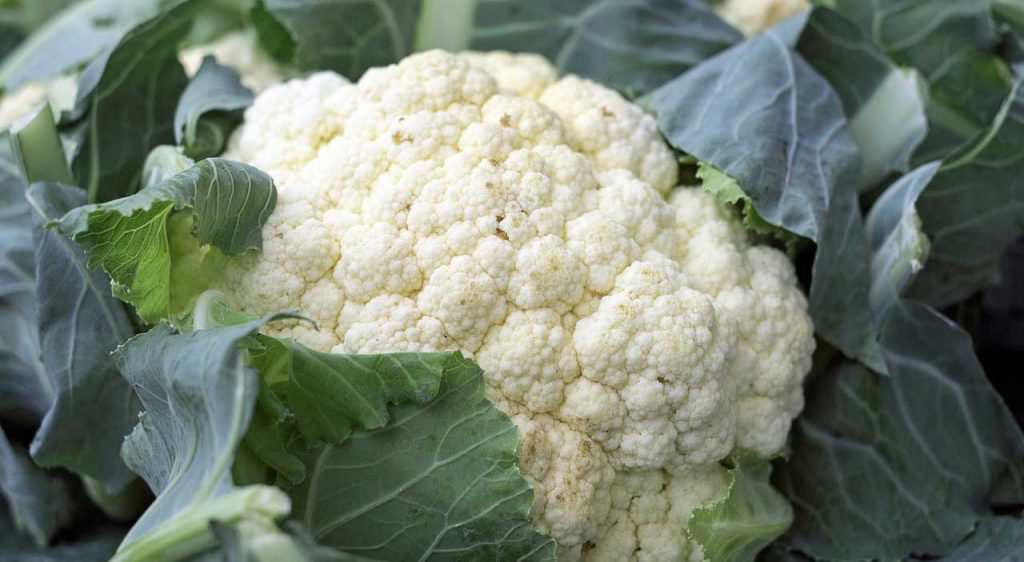
- Cauliflowers (almost year round) - Different varieties of cauliflower planted throughout the year provide a year-round supply. Winter cauliflower is available from November to May and then in June the summer varieties come in.
- Radishes (April – September) - Quick and easy radishes just need a warm location to keep you supplied from April on.
- Lettuce and leaves (March – December) - By careful sowing you can have fresh greens nearly all year round.
- Nettles (March – May)