
Autumn Soil Testing


Why Autumn is a Good Time for Soil Testing
Optimal Conditions: Soil testing in Autumn, just after the main growing season, provides a clear picture of nutrient levels and pH status after plants have absorbed their share. This period avoids the extremes of hot summer or cold winter temperatures that can affect soil composition and microbial activity, leading to more accurate test results.
Preparation for Spring: Conducting soil tests in Autumn allows sufficient time to address any deficiencies or imbalances before the next season. Some organic amendments can be made during the Winter or early Spring and this will give them time to decompose and/or integrate into the soil and be available for the next crop.
Lower Demand for Testing Services: Agricultural and gardening services often have less demand for soil testing in Autumn compared to Spring, making it easier to get timely results.
What Can Be Tested For in a Soil Analysis?
A basic soil analysis typically includes measurements of soil pH and the levels of essential nutrients like phosphorus (P) and potassium (K). More comprehensive tests may also evaluate levels of micronutrients such as boron, magnesium, manganese, zinc, and copper, as well as organic matter content. Some tests can determine soil texture or type, providing additional insights into soil management needs. However, nitrogen is usually not tested for due to its instability in the soil, as it is prone to leaching and volatilisation. The microbial health of the soil is also not typically included in standard tests, although specialised tests are available.
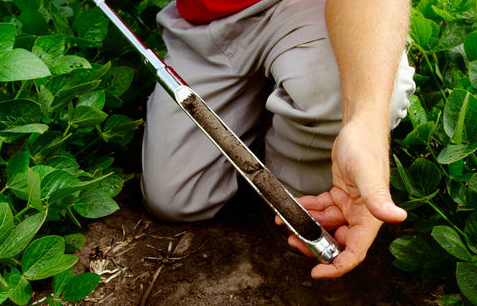
Check out our blog on How to Take a Soil Sample. We stock a stainless steel soil sampler. For taking simple pH measurements, we also have a PH Soil Tester.
How to Organically Amend the Soil
Adjusting Soil pH:
- Acidic Soil (Low pH): If the soil is too acidic (pH below 6), add organic materials like lime or wood ash to raise the pH. These materials should be spread and worked into the soil in autumn to allow them to react with the soil and stabilise before spring planting.
- Alkaline Soil (High pH): If the soil is too alkaline (pH above 7.5), incorporate organic matter such as pine needles, leaf mould, or elemental sulphur. These materials gradually lower the pH by releasing acids as they decompose.
Improving Soil Nutrients:
- Phosphorus: Incorporate bone meal or rock phosphate. Phosphorus is less mobile in the soil, so adding it in the Autumn gives it time to become more available to plants. Compost is also a good source of Phosphorus.
- Potassium: Amend with FYM, Sulphate of Potash or PatentKali, Seaweed(dried) and wood ash (if pH allows). These are natural sources of potassium that help with root development and disease resistance.
- Magnesium: Use Epsom salts, Kieserite, or Patentkali to correct magnesium deficiencies.
- Boron: Apply granulated boron to soils where tests indicate a deficiency.
- Nitrogen: Add composted manure, chicken pellets or other organic high N products and use leguminous cover crops (like clover, vetch or peas). Some organic materials release nitrogen slower than others, which one is best to use depends on the crop.
Increasing Organic Matter:
- Planting green manures or cover crops, and leaving crop residues on the soil surface, adds organic matter, improves soil structure, and enhances fertility.
- Apply compost or well-rotted farmyard manure to boost organic matter content. These amendments improve soil structure, water retention, and nutrient availability.
Enhancing Soil Structure:
- Compacted or Heavy Clay Soils: Add organic matter such as compost, well-rotted manure, or leaf mould, also Calcitic Lime and Basalt can help. All these improve aeration, water retention, and root penetration by loosening the soil structure.
- Sandy Soils: Add compost, Bentonite and Biochar to improve water retention and nutrient-holding capacity.
Improving Soil Microbial Health:
To support soil microbial health, use compost, compost teas, Soil Renew (bacteria), mycorrhizal fungi, or other products that introduce beneficial microbes and fungi. These organisms help break down organic matter and increase nutrient availability to plants.