
Perlite vs Vermiculite

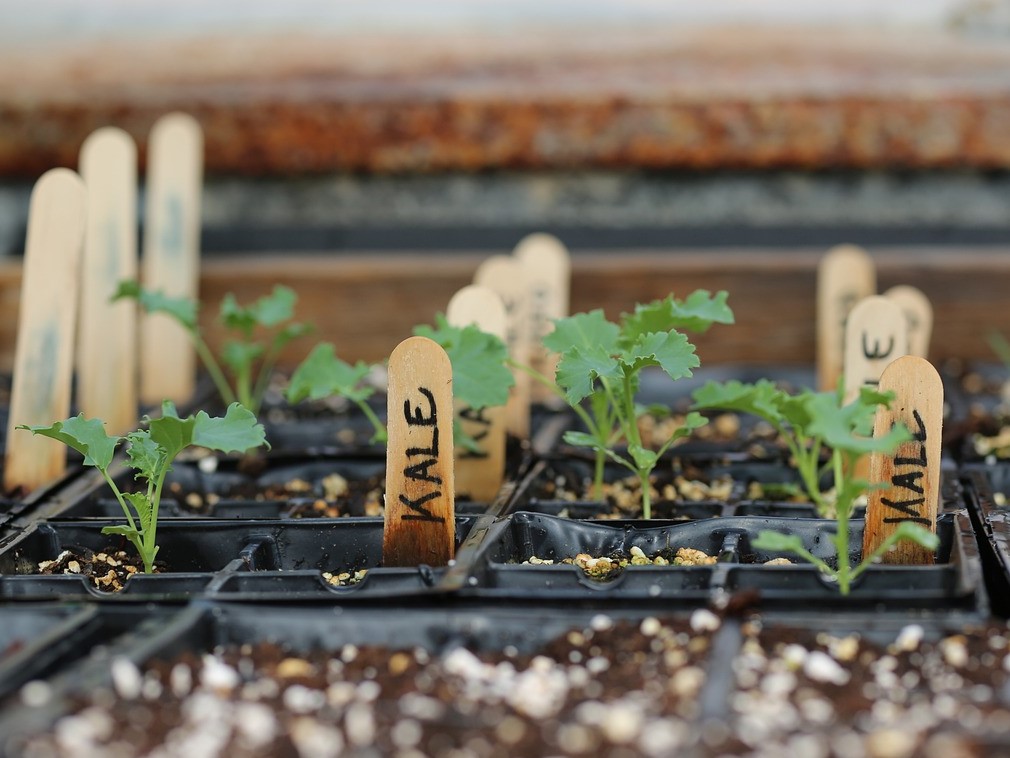
Perlite vs Vermiculite - Which one should you use?
Perlite and Vermiculite are both widely used soil amendments, but they serve different purposes in horticulture and gardening. While both improve soil structure, they differ significantly in water retention, aeration, and nutrient-holding capacity. Understanding their differences will help you choose the right one for your plants.
Comparison Table: Perlite vs. Vermiculite
| Perlite | Vermiculite | |
| Material | Volcanic rock | Mined mineral |
Water Retention | Low | High |
Aeration | High | Moderate |
Best for | Cuttings, aerating heavy soils, drainage | Moisture-loving plants, seed starting, storing bulbs |
| Breaks Down Over Time? | No | No |
Nutrient Holding | Minimal | Moderate (holds calcium, magnesium, potassium) |
pH Effect | Neutral | Can slightly raise pH |
| Slugs | Don't like it | Don't like it |
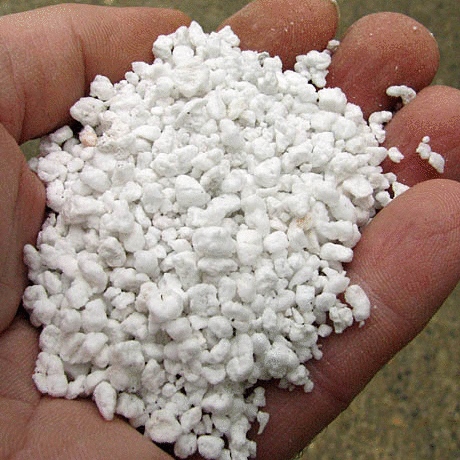
Perlite
Perlite is a lightweight, micro-porous volcanic rock that has been heated to high temperatures to expand. It is highly permeable, with low water retention, making it ideal for improving aeration and drainage in soil.
Benefits of Perlite:
- Prevents soil compaction – Improves structure in clay and silt-heavy soils.
- Enhances aeration – Ensures roots get enough oxygen.
- Speeds up rooting – Helps cuttings establish faster and reduces the risk of damping off.
- Improves lawn health – When used with a hollow tine spike, it enhances root development in compacted lawns.
- Free from pests and diseases – A sterile, disease-free medium.
Best Uses for Perlite:
- Ideal for cuttings, where aeration is critical.
- Excellent for improving drainage in compacted or heavy soils.
- Used in potting mixes as a sand or grit replacement.
- Helps re-wetting of soil while preventing waterlogging.
Vermiculite
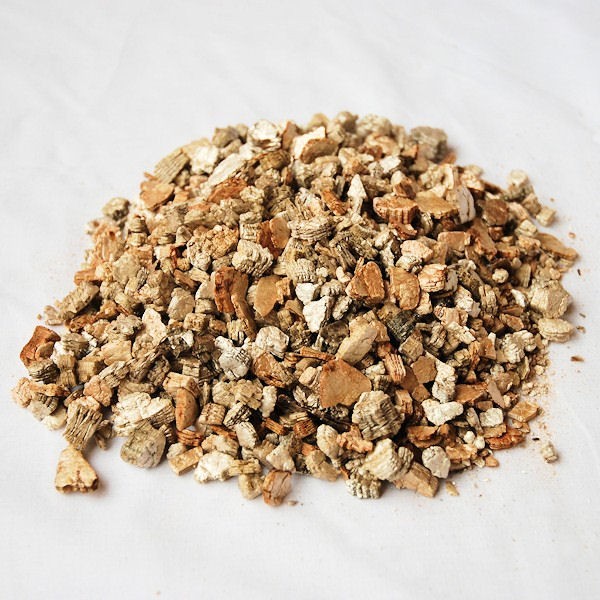
Vermiculite is a naturally occurring mineral that expands when heated, allowing it to absorb and retain a large amount of water. Unlike Perlite, which drains quickly, Vermiculite retains moisture and releases it slowly as the soil dries.
Benefits of Vermiculite:
- Holds water like a sponge – Ideal for moisture-loving plants.
- Improves nutrient availability – Reacts with soil compounds to release calcium, magnesium, and potassium.
- Maintains soil moisture levels – Reduces watering frequency.
- pH neutral to slightly alkaline – Can help counteract acidic soil conditions.
- Prevents storage rot – Used for storing bulbs and root crops by regulating moisture.
Best Uses for Vermiculite:
- Great for seed starting, as it keeps seedlings evenly moist.
- Used in potting mixes for moisture retention.
- Helps store bulbs and root crops by preventing excess moisture buildup.
- Suitable for plants that require consistently moist soil.
Which One Should You Choose?
- Use Perlite if you need better aeration and drainage, especially for cuttings, heavy soils, or lawns.
- Use Vermiculite if you need water retention and nutrient-holding capacity, particularly for seed starting, moisture-loving plants, or bulb storage.
Both materials have their place in gardening, and in some cases, they can be used together for a balanced soil mix. By understanding their properties, you can make the right choice to support healthy plant growth.