
Photoperiodism

Photoperiodism: How Plants Tell Time Using Light
June 21st is the longest day of the year here in West Cork and the rest of Ireland. If there are no clouds then we should get about 17 hours of daylight with the sun rising at about quarter past five and setting just before ten. This date, known as the summer solstice, is a key turning point in the Earth's annual cycle of daylight. From now on, the days will gradually begin to shorten.
For plants, these gradual changes in day length serve as essential signals for timing growth and development. Through a process called photoperiodism, plants are able to measure the time of year with surprising accuracy.
What is Photoperiodism?
Photoperiodism is a plant's ability to detect and respond to the duration of light and darkness in a 24-hour cycle. Although it may seem that plants are responding to the amount of daylight, research shows that it is actually the uninterrupted period of darkness that plays the decisive role. Plants detect these light signals through specialised photoreceptors, particularly phytochromes, which monitor changes in light quality and duration.
These light-sensitive proteins help regulate the plant's internal biological clock, initiating processes such as flowering, tuber formation or dormancy when specific thresholds of night length are reached.
While temperature can influence plant behaviour, it varies too much between years to serve as a dependable seasonal cue. In contrast, changes in day length follow a consistent annual cycle. This makes photoperiodism a key strategy that plants use to synchronise their development with the seasons.
Plants are broadly classified into three categories based on their response to photoperiod:
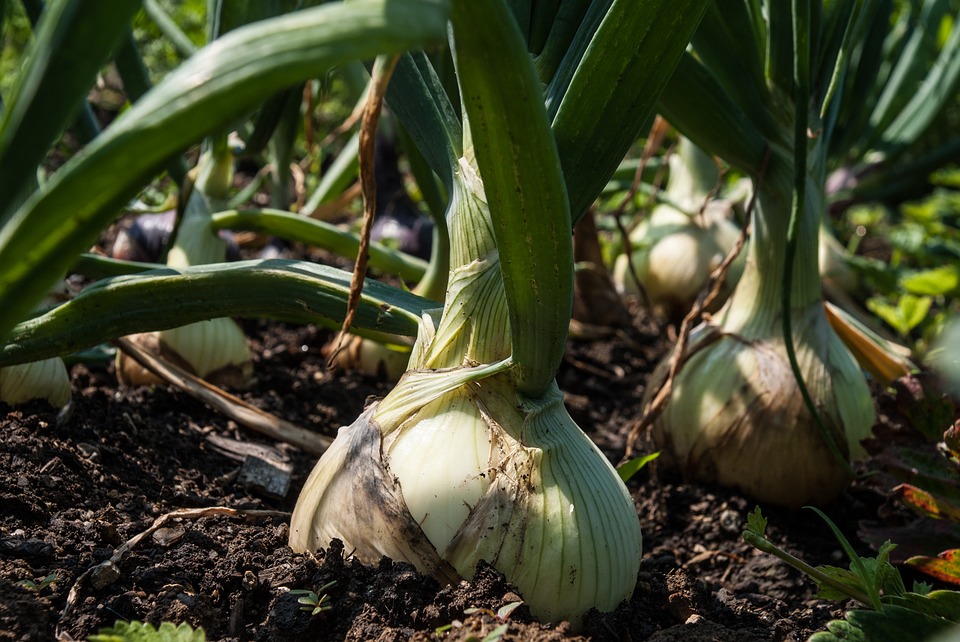
- Long-Day Plants (LDP): These plants require more than a critical number of daylight hours to initiate flowering. Typically, they flower when nights are shorter than a certain duration. Examples include spinach, lettuce, carrots, and onions.
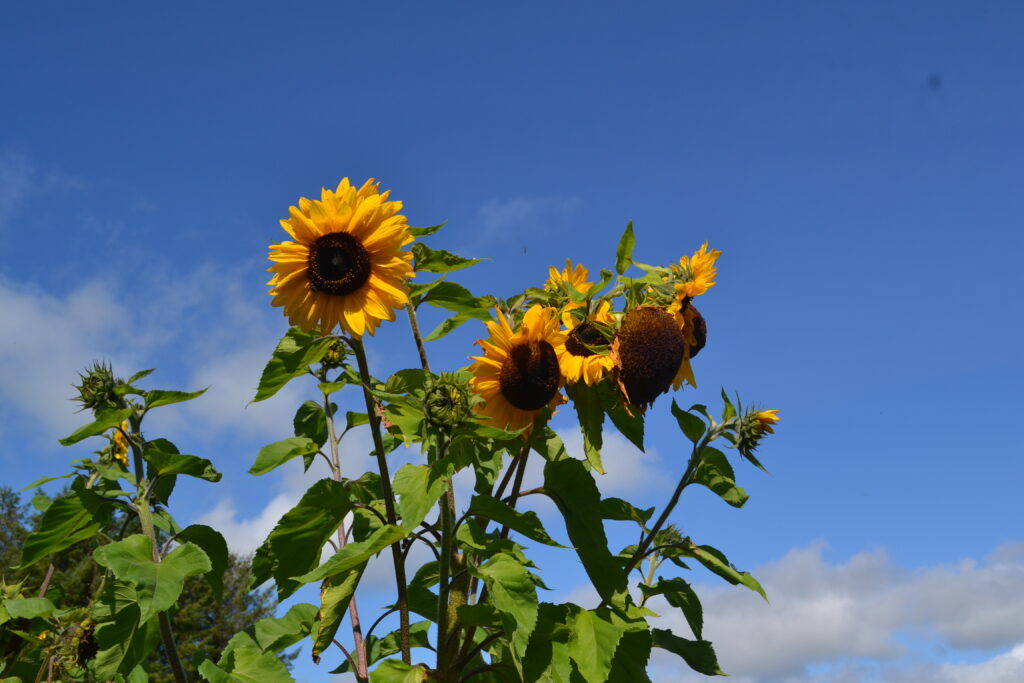
- Short-Day Plants (SDP): These require longer nights (or shorter days) to flower. They are triggered when the night exceeds a critical length. Common examples include soybeans, dahlias and chrysanthemums.
- Day-Neutral Plants (DNP): These plants are unaffected by day length. They flower based on their age or stage of maturity rather than photoperiod. Examples include tomatoes, cucumbers, and corn.
Why Photoperiodism Matters?
Photoperiodism plays a central role in plant development for several key reasons:
- Flowering Timing: Ensures flowers open at a time when pollinators are active or environmental conditions are favourable.
- Growth and Storage: Influences whether plants allocate resources to vegetative growth (leaves and stems) or reproductive development (flowers, seeds, and bulbs).
- Tuber and Bulb Formation: In crops like onions and carrots, day length signals when to switch from growing leaves to storing energy in underground organs.
- Dormancy Preparation: Many perennials rely on shortening days to begin preparing for winter dormancy.
The 10-Hour Rule
Most plants require at least 10 hours of light per day to grow. Below this threshold, even day-neutral plants enter a dormant state, regardless of warmth or other growing conditions. Because of this, winter greenhouse production requires supplemental lighting, as well as supplemental heat. Lights can be turned on shortly before sunset to extend the length of the day
Many bedding plant and cut-flower greenhouse producers use night-interruption lighting to force flowers to bloom in winter. Growers will often break up long nights by turning on lights in the middle of the night, some plants will act as though the night is short (and, therefore, the day is long), and behave just as they would in the middle of summer.
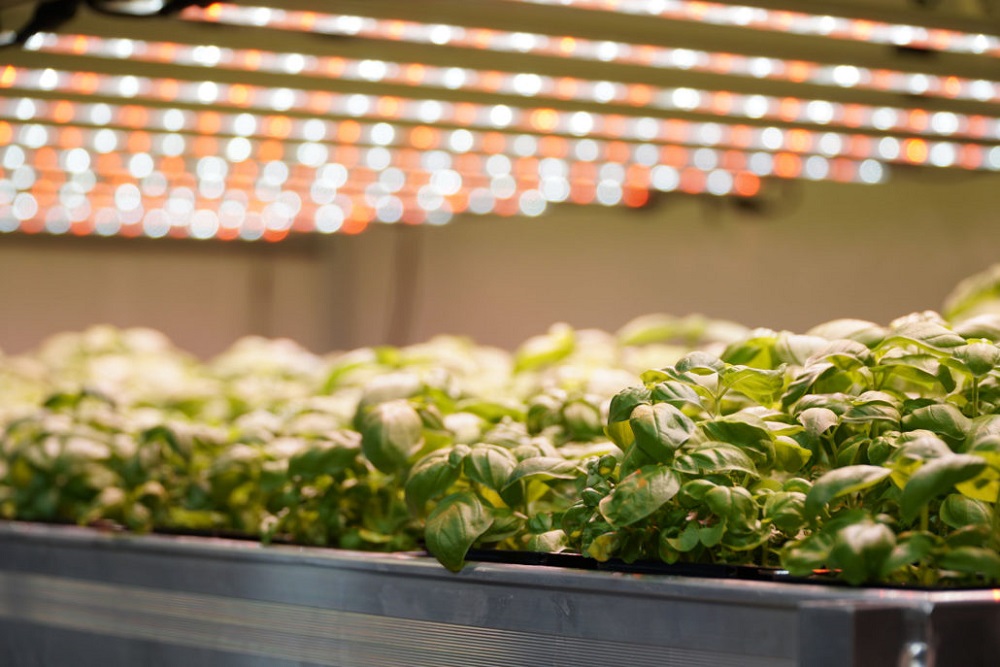
Understanding photoperiodism is essential for gardeners, farmers, and growers, as it influences when crops flower, fruit, or stop growing. It also informs choices about sowing times and even how to manipulate growing conditions using artificial light in greenhouses.