Soil Health - Regenerative Agriculture
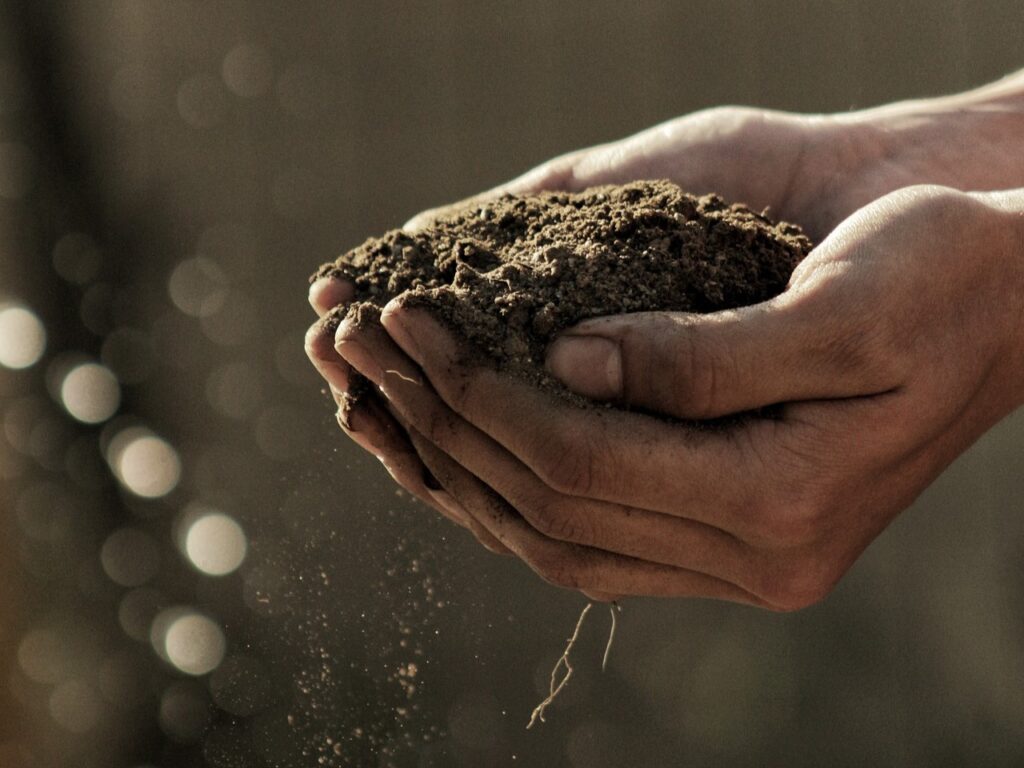
Soil Health is a Priority in Regenerative Agriculture
Regenerative farming is gaining momentum as more farmers see the benefits to soil health, biodiversity, and long-term productivity. It focuses on restoring soil as a living ecosystem by adopting practices that enhance natural biological processes.
Why Soil Health Matters
Soil is a complex, living system that supports plant growth, stores carbon, filters water, cycles nutrients, and sustains biodiversity. Healthy soil contributes to productive agriculture, mitigates the impacts of droughts and floods, and plays a critical role in climate regulation.
When soil health declines, these essential functions deteriorate, leading to reduced yields, greater dependence on external inputs, and increased environmental damage.
How Soil is Being Degraded
Globally, soil degradation is driven by a combination of intensive farming and poor land management practices, including:
- Intensive tillage - Disturbs soil structure and biology
- Monocropping - Reduces biodiversity and soil nutrient cycling
- Overuse of synthetic fertilisers and pesticides - Harms microbial communities and pollutes water
- Deforestation and overgrazing - Exposes soil to erosion
- Poor water management - Leads to salinisation, waterlogging, or drought stress
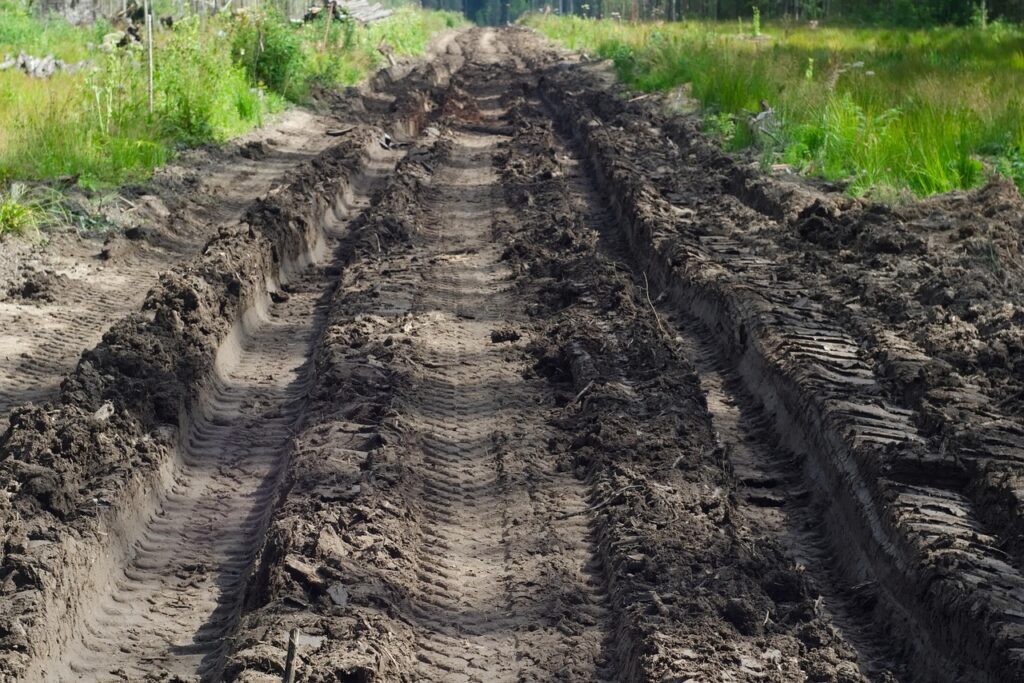
- Soil compaction - Caused by heavy machinery or livestock on wet soils
- Lack of ground cover - Leaves soil exposed to wind and water erosion, stripping topsoil
These practices reduce organic matter, disrupt soil aggregates, diminish biological activity, and accelerate erosion and compaction.
Assessing Soil Health
Evaluating soil health involves observing physical, biological, and chemical indicators. Key signs include:
Aggregate Stability - Healthy soils have strong, stable aggregates that hold together when wet, allowing for water infiltration, air flow, and root development. Poor aggregate stability results in crusting, compaction, and limited root penetration.
Residue Breakdown - Crop residues should decompose at a steady rate, driven by active microbial and other soil organism populations. Slow or uneven breakdown indicates a lack of biological activity.
Water Infiltration - Healthy soil absorbs water efficiently, reducing surface runoff and erosion. Compacted or degraded soils often exhibit poor infiltration, causing waterlogging or drought stress.
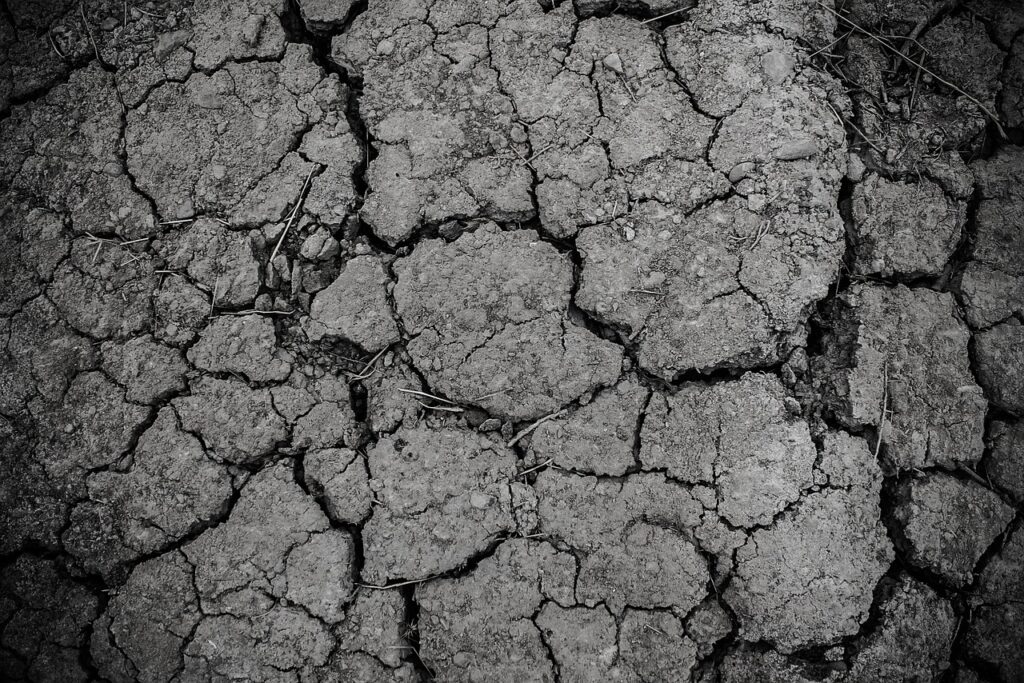
Surface Crusting and Compaction - Minimal crusting and a friable surface support seed germination and root growth. Crusted or compacted soils restrict both, often due to machinery use or rainfall impact on bare ground.
Soil Colour - Dark brown or black soil can indicate high organic matter and good structure. Pale, grey, or yellowish soils may be low in nutrients and organic matter, often associated with erosion and degradation.
Soil Biology - Healthy soils teem with life—including bacteria, fungi, earthworms, and insects. Reduced biodiversity or dominance of a few organisms often signals chemical imbalance or poor habitat quality.
Reference Areas and Controls
Comparing farmed soils with undisturbed areas (e.g. field margins or nearby woodlands) provides a baseline for natural soil conditions. Regular monitoring helps track changes over time and guides management.
Core Principles of Regenerative Agriculture
Regenerative farming isn’t a new concept; it draws on traditional and indigenous land management practices that prioritised ecological balance. Today, these approaches are increasingly supported by scientific research in soil ecology and ecosystem function. Its core principles include:
- Minimising soil disturbance to protect soil structure and microbial life
- Maintaining soil cover to prevent erosion and moderate temperature
- Maximising crop diversity to promote resilience and nutrient cycling
- Integrating livestock to stimulate plant growth and enhance nutrient distribution
- Keeping living roots in the ground to support continuous microbial activity
- Building organic matter and biology to improve structure, water retention, and fertility
More Resources
Groundswell - The Regenerative Agriculture Festival: Groundswell is a practical show aimed at anyone who wants to understand the farmer’s core asset, the soil, and make better informed decisions. It is a two-day event featuring talks, forums and discussions from leading international soil health experts, experienced arable and livestock farmers, agricultural policy experts, direct-drill demonstrations and AgTech innovators.
BASE Ireland: BASE Ireland is part of an International community of farmers, agronomists and agriculture professionals who are committed to advancing the knowledge and practice of Conservation Agriculture.
Project BASELINE is a European Innovation Partnership (EIP) project which came about through the determination of BASE Ireland members dedicated to showcasing Regenerative Agriculture (RA) in Ireland. By 2029, they aim to determine if RA can create a new baseline for Irish agriculture, influencing policy to support a profitable and environmental sector.
Fields Good Regenerative Farming Festival: Rooted in the idea that it all starts with the soil, Fields Good is a festival celebrating farming, food and the future, taking place on the 5th September 2026. With three speaker stages, tents on agroforestry, horticulture and soil health, hands-on demos, field walks and exhibitors.
Farming for Nature Festival: The inaugural Farming for Nature Festival (FFN) is taking place at Ballykilcavan Farm & Brewery, Stradbally, Co. Laois on the 22nd and 23rd June 2026. This farmer-led gathering aims to provide a space for farmers to learn, connect, share knowledge, and explore practical, nature-based approaches to farming. The focus will be on real stories from farmers – the successes and the challenges and show how good food begins with good farming. By involving a wide network of partners, we want to inspire change and grow the movement of farmers and producers working with nature.
Agriland Article: Regenerative agriculture is the future – report
Bord Bia Article: Regenerative Agriculture - What is it and why does it matter?