
What is Biochar?
What is Biochar?
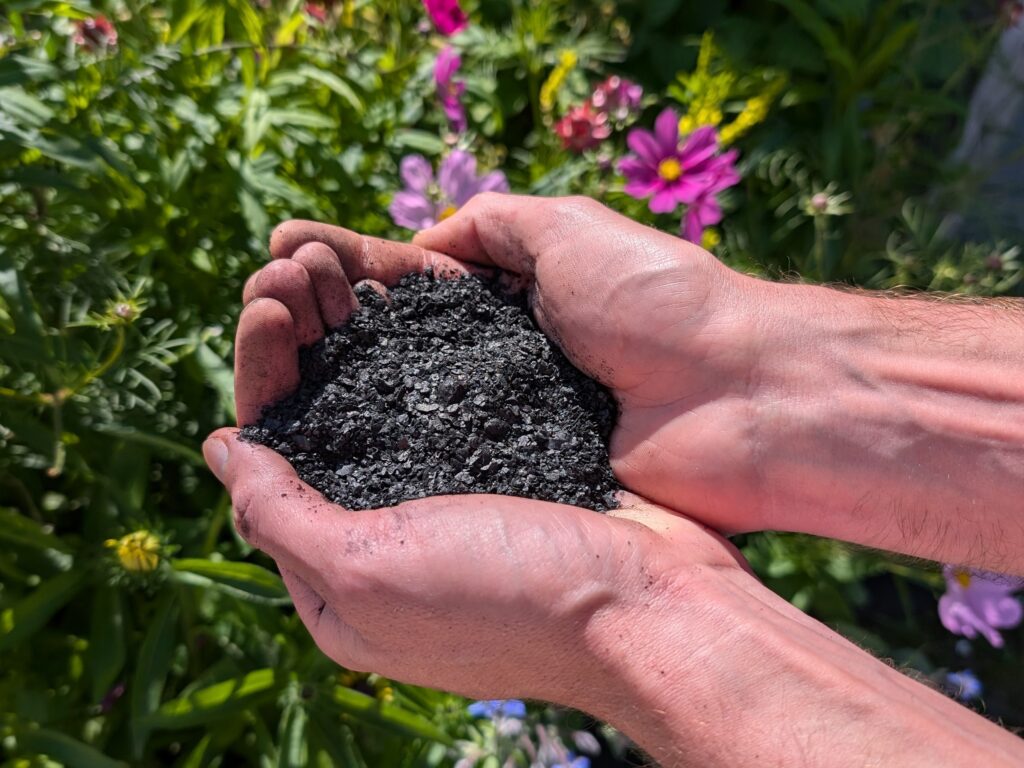
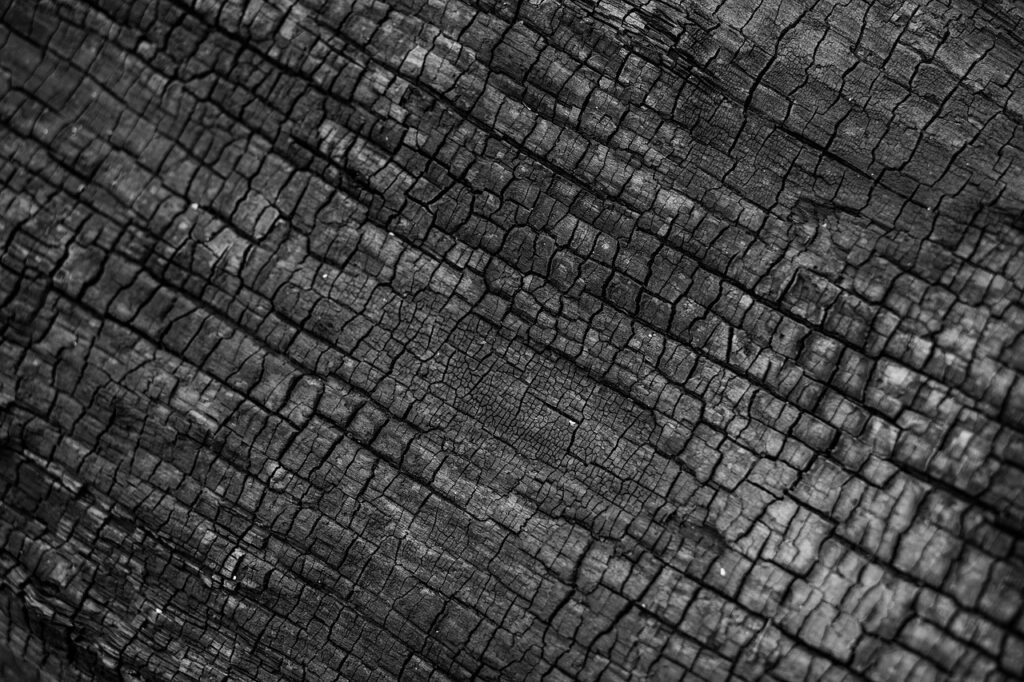
Biochar is a stable, carbon-rich material produced from the thermal decomposition of organic matter in a low-oxygen environment, a process known as pyrolysis. It resembles charcoal but is used primarily as a soil amendment rather than as a fuel. Although the concept has ancient roots, biochar is relatively new to modern agriculture and environmental science. It is gaining more attention in recent years due to its potential to enhance soil health and sequester carbon.
How Is Biochar Made?
Biochar is created by heating biomass—such as wood chips, crop residues, or manure—to temperatures typically between 300°C and 700°C in the absence of oxygen. This process prevents combustion and instead causes the organic material to break down chemically. The resulting product is a porous, stable form of carbon that can persist in soils for hundreds to thousands of years. Different feedstocks and pyrolysis conditions produce biochars with varying physical and chemical properties.
Origins of Biochar
The origins of biochar can be traced back to ancient Amazonian civilisations. In regions such as the Amazon Basin, fertile black soils known as terra preta were found to contain high levels of charcoal-like material. These soils were likely created through the intentional addition of organic residues and charred materials by indigenous populations. Our understanding of this historical use has influenced modern scientific interest in replicating similar soil improvements.
What Materials Can Be Used?
Biochar can be made from a wide variety of biomass sources, including:
- Forestry residues (e.g., sawdust, bark, branches)
- Agricultural waste (e.g., straw, husks, stalks)
- Animal manure
- Organic municipal waste
- Purpose-grown energy crops (e.g. Miscanthus)
The choice of feedstock significantly affects the properties of the final biochar, such as pH, nutrient content, and surface area.
Benefits of Biochar
Scientific studies suggest multiple potential benefits of biochar, although considerable research is still underway. Key advantages include:
- Soil improvement: Biochar enhances soil structure, increases water retention, and improves nutrient availability.
- Carbon sequestration: It stabilises carbon that would otherwise return to the atmosphere as CO₂, helping mitigate climate change.
- Reduced nutrient leaching: It can slow down the loss of fertilisers from soils.
- Enhanced microbial activity: Its porous structure supports beneficial soil microbes.
- Waste management: Converting biomass into biochar offers an alternative to open burning or landfill disposal.
Charging Biochar
For use as a soil improver, it is important that the biochar is previously charged with nutrients and, ideally, with a film of organic matter. If this does not happen, the biochar initially acts like a sponge in the soil, absorbing water and nutrients from the environment. This can lead to short-term nutrient deficiencies and growth depression in plants, although the absorbed nutrients are later released. In some cases—such as when buffering excess nutrients—this sponge effect can be beneficial.
There are several effective ways to charge or “activate” biochar:
- Add to compost: One of the simplest methods is to mix biochar into a compost pile. This allows the biochar to absorb nutrients and microbial life as the compost matures.
- Use in animal bedding: Biochar can be added to livestock bedding, where it absorbs moisture and binds ammonia and other nutrients from manure. This not only improves the quality of the manure but also reduces odour and creates a healthier environment for the animals.
- Inoculate in place: If short on time, biochar can be incorporated directly into the soil and charged in situ by applying compost tea or liquid feeds.
How to Use Biochar
Biochar can be applied to soil by:
- Mixing it with compost
- Broadcasting and incorporating it into topsoil
- Adding to planting holes
- Blending with potting mixes
The recommended application rate varies, but 5–10% by volume in soil mixes is common. Its effectiveness depends on soil type, crop, climate, and the biochar’s characteristics.
We stock a non-enriched biochar called TerraVida and a biochar fertiliser called Nutrichar.