
Soil Structure & Soil Health


Soil Structure & Soil Health
Soil structure and soil health go hand in hand really, it is very difficult to have great soil health without good structure. Likewise, a soil that is brimming with life will be more resilient and will be able to maintain a good structure easier.
Soil structure refers to the way individual soil particles (such as sand, silt, and clay) bind together to form aggregates or clumps. These aggregates create pore spaces within the soil, which are crucial for water infiltration, root penetration, air circulation, and nutrient exchange. The arrangement of these particles influences soil properties like drainage, fertility, and tilth, all of which are vital for plant growth and ecosystem health.
The importance of soil structure lies in its impact on soil function and productivity. Here's why it matters:
- Water Management: Soil structure affects water infiltration and retention. Well-structured soils have adequate pore spaces that allow water to penetrate and be stored, reducing runoff and erosion while ensuring plants have access to moisture during dry periods.
- Root Growth: Soil structure influences root penetration and exploration. Good soil structure provides a supportive environment for roots to grow, enabling plants to access water, nutrients, and oxygen essential for their development.
- Nutrient Availability: Soil structure influences nutrient retention and availability. Properly structured soils hold onto nutrients better, preventing leaching, and make them accessible to plant roots, promoting healthy growth.
- Aeration: Soil structure affects air circulation within the soil. Well-structured soils have sufficient pore spaces for air movement, facilitating aerobic conditions necessary for soil organisms and root respiration.
Evaluating soil structure involves simple tests that assess characteristics such as texture, aggregation, and porosity:
- Visual Inspection: Examine soil samples for the presence of aggregates, pore spaces, and root channels. Well-structured soils typically have a crumbly texture with visible aggregates, while poorly structured soils may appear compacted and lacking in pore spaces.
- Feel Test: Squeeze moist soil between your fingers to determine its texture and structure. Well-structured soils feel friable and form into stable aggregates, whereas poorly structured soils may feel sticky, compacted, or gritty.
- Water Infiltration Test: Pour water onto the soil surface and observe how quickly it infiltrates. Well-structured soils allow water to penetrate rapidly, while poorly structured soils may exhibit runoff or ponding.
How to Improve Soil Structure
- Organic Matter Addition: Incorporating compost, manure, or cover crops into the soil will provide nutrition for soil life, like bacteria and fungi, and these organisms will be food again for other soil life like earthworms etc. This transformed and enhanced organic matter improves soil aggregation, water retention, and microbial activity, leading to healthier soil. The aim is to create stable and long lasting humus.
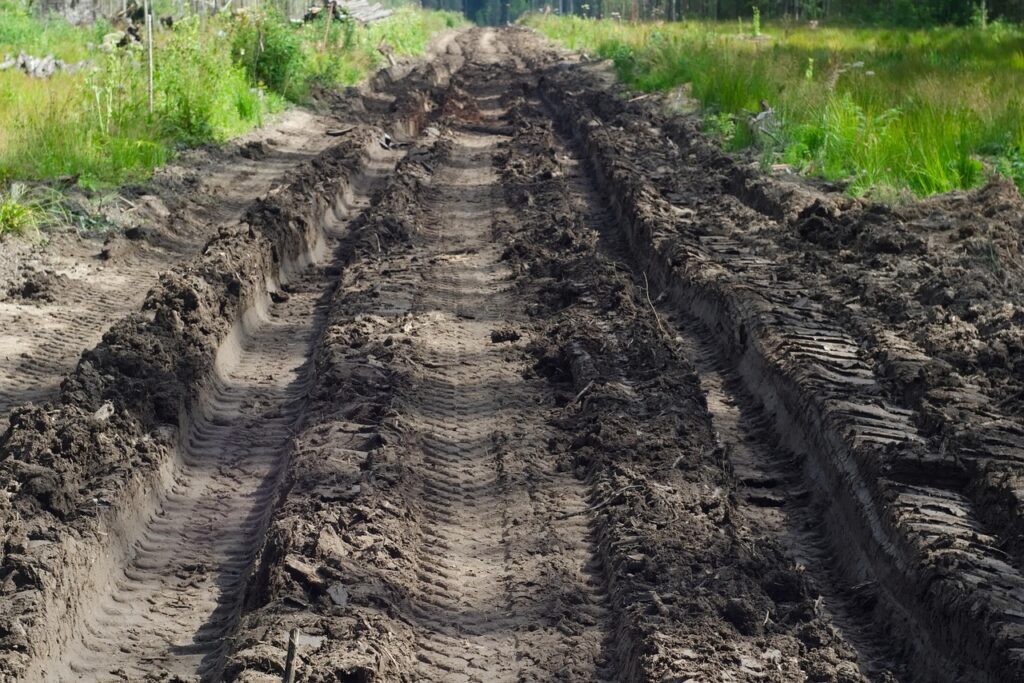
- Reducing Soil Compaction: Compacted soil restricts root growth and reduces air and water movement. Techniques like minimum tillage, avoiding heavy machinery on wet soil, and using cover crops can help alleviate compaction.
- Crop Rotation: Rotating crops diversifies root structures and nutrient demands, preventing soil depletion and improving soil structure over time.
- Mulching: Applying mulch on the soil surface helps regulate temperature, retain moisture, and prevent erosion. Over time, decomposing mulch contributes to soil organic matter content and structure.
- Avoid Overworking Soil: Excessive tillage disrupts soil structure and can lead to compaction. Adopting no-till or reduced-till practices preserves soil structure and organic matter.
- Soil Testing and Balancing Nutrients: Regular soil testing allows for adjustments in pH and nutrient levels. Balanced nutrient levels promote healthy microbial activity and contribute to better soil structure.
- Microbial Inoculants: Introducing beneficial microbes to the soil can enhance nutrient availability, organic matter decomposition, and soil aggregation, thereby improving soil structure.
- Adding Amendments: Gypsum can help improve soil structure by loosening clay soils and enhancing drainage. Lime can adjust soil pH, promoting better soil structure in acidic soils.
- Water Management: Proper irrigation practices, such as drip irrigation or timed watering, prevent waterlogging or drought stress, which can negatively impact soil structure.
- Avoiding Soil Contamination: It's best to avoid the use of chemical pesticides and fertilisers, as they can harm soil microbes and disrupt soil structure. Instead opt for organic or natural alternatives.
The Link Between Soil and Gut Health
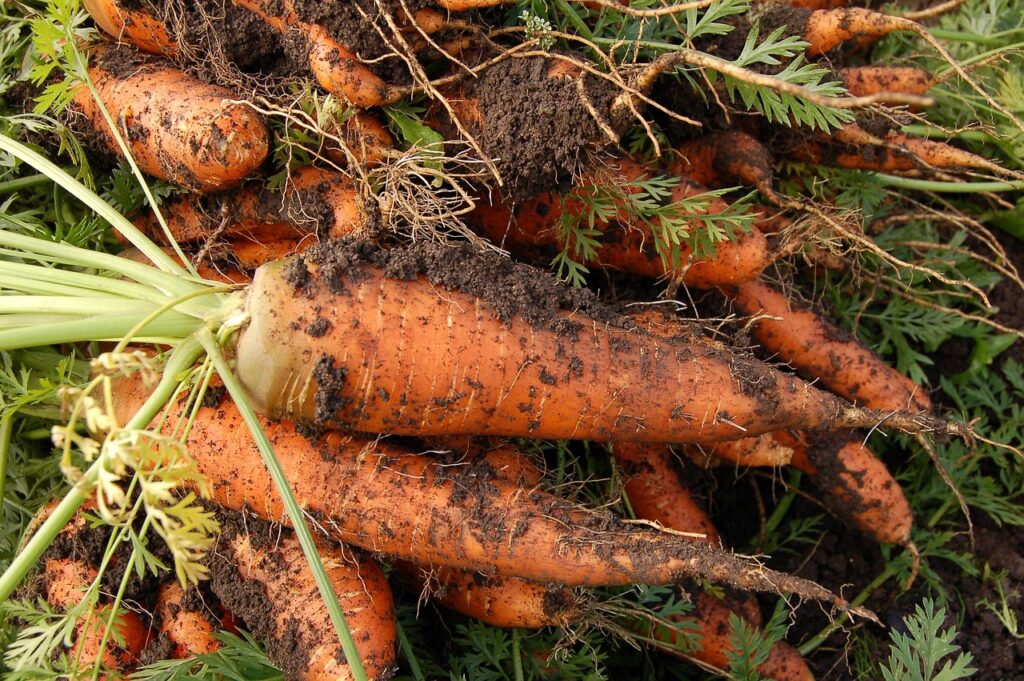
One very important reason to care about soil health is its effect on gut health. Healthy soils support diverse communities of bacteria and fungi that enhance the nutrient content of crops and influence the microorganisms that ultimately enter the human gut through food. These dietary microbes, along with soil-derived minerals and plant compounds shaped by soil biology, contribute to the balance and function of the gut microbiome. Scientific research increasingly shows that reduced soil biodiversity, driven by intensive farming and chemical inputs, can lower food quality and may indirectly affect immune function, inflammation, and metabolic health in humans.
December 5th marks World Soil Day, the theme for 2025 is ‘Healthy Soils for Healthy Cities’. Check out this page on the United Nations website for more information.