Mulch Magic
What is Mulch?
Mulch refers to any material, organic or inorganic, spread over the surface of the soil to protect it, enhance its appearance, and support plant growth. Mulch serves multiple purposes, such as conserving moisture, improving soil structure, and suppressing weed growth. Mulch materials can be broadly classified into two categories: organic and inorganic.
Organic Mulch
Organic mulches are made from natural, biodegradable materials. As they break down, they enrich the soil with organic matter and nutrients.
Wood chips or bark: These are commonly used for ornamental plants, trees, and shrubs. They decompose slowly and add organic matter over time. Best use wood chips and bark from deciduous trees and shrubs, unless you need the higher acidity provided by pine wood chips and bark.
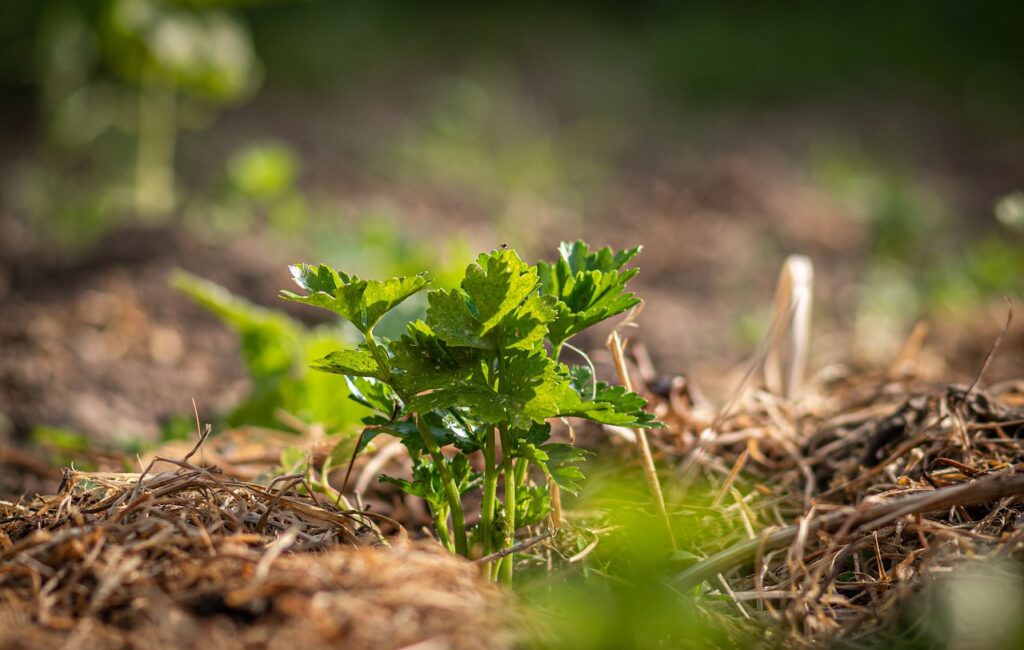
Straw or hay: Often used in vegetable gardens, these mulches break down quickly, providing nutrients to the soil. We stock Strulch which is made from mineralised wheat straw. A patented process is used to preserve the straw so that it lasts up to two years.
Compost: Well-rotted compost is rich in nutrients, making it ideal for improving soil health while controlling moisture and temperature.
Grass clippings: An easily available mulch that provides nitrogen as it decomposes. It’s best used in thin layers to prevent matting.
Leaf mould: Decomposed leaves that provide excellent insulation and add nutrients to the soil. Learn how to make your own Leaf mould here.
Paper Mulch - Paper or cardboard can be used to mulch plants. We stock a Black Mulch Paper made out of pure cellulose. It is ideal in greenhouses, can be used outside only in very sheltered areas
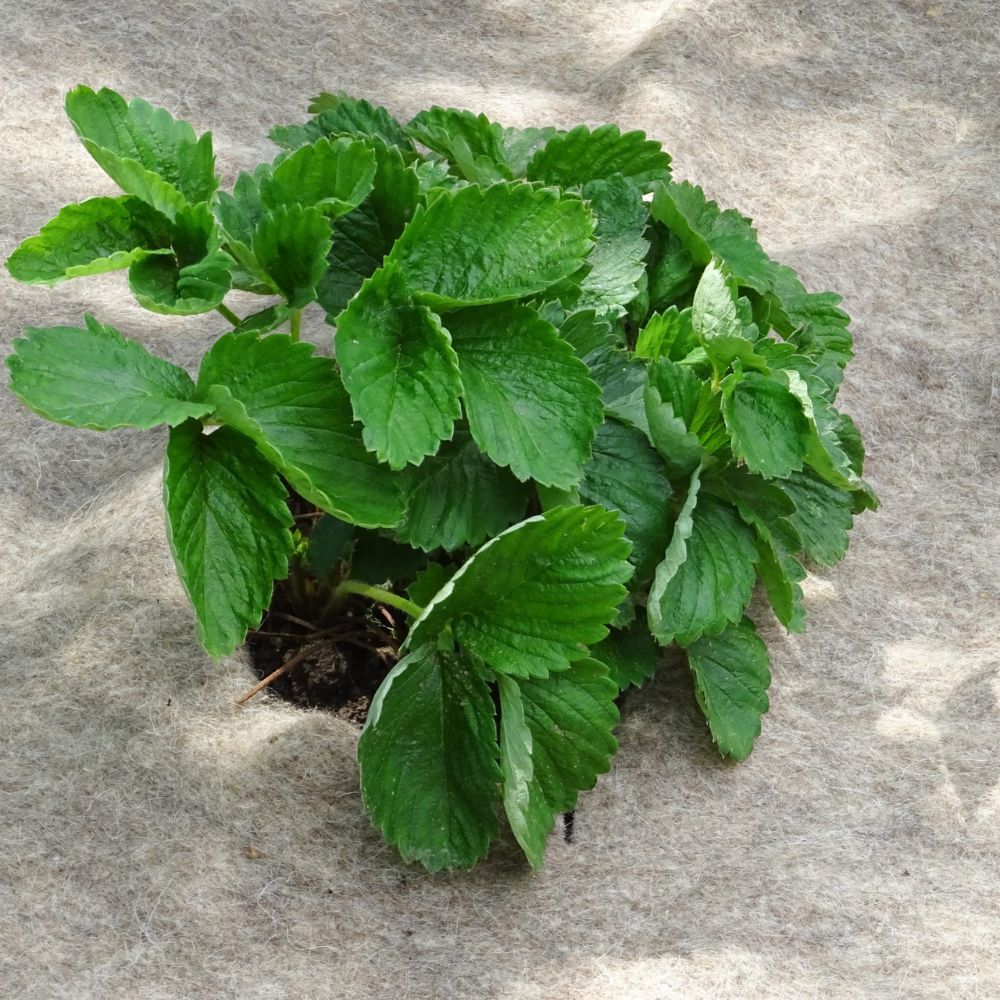
Wool Mulch - Made from natural sheep wool, wool mulch mats are biodegradable and provide excellent insulation for plant roots. They help retain moisture, particularly in dry conditions, and regulate soil temperature. We stock a Wool Weed Mat and a Heavy Duty Wool Mulch.
Jute Mulch - Jute mulch mats are crafted from plant-based jute fibres and are also fully biodegradable. They’re particularly effective at preventing soil erosion, making them ideal for sloped or exposed areas. We stock a Heavy Duty Jute Mulch and also Coir/Jute Mulch Discs.
Hemp Mulch - A biodegradable mulch fabric made from hemp plants that suppresses weed growth. We stock Hemp Ground Cover, a strong fabric with a weight of 500g/m² and a lifespan of up to 12 months. Made from 100% hemp, grown in France without pesticides. We also stock Hemp Based Mulch Squares designed to cover the ground around young trees and perennials.
Inorganic Mulch:
Inorganic mulches do not decompose and remain in place longer. While they don’t provide nutrients to the soil, they offer other practical benefits.
Gravel and stone: Decorative gravel or stones are often used in ornamental gardens. While they don't improve soil health, they help suppress weeds and create a tidy, low-maintenance landscape.
Plastic Foil (plant based plastic PLA): Common in commercial farming and landscaping, plastic mulch effectively suppresses weeds and helps warm the soil, making it ideal for early crop production. However, it needs to be applied with special machinery and is only really suitable for large-scale growing.
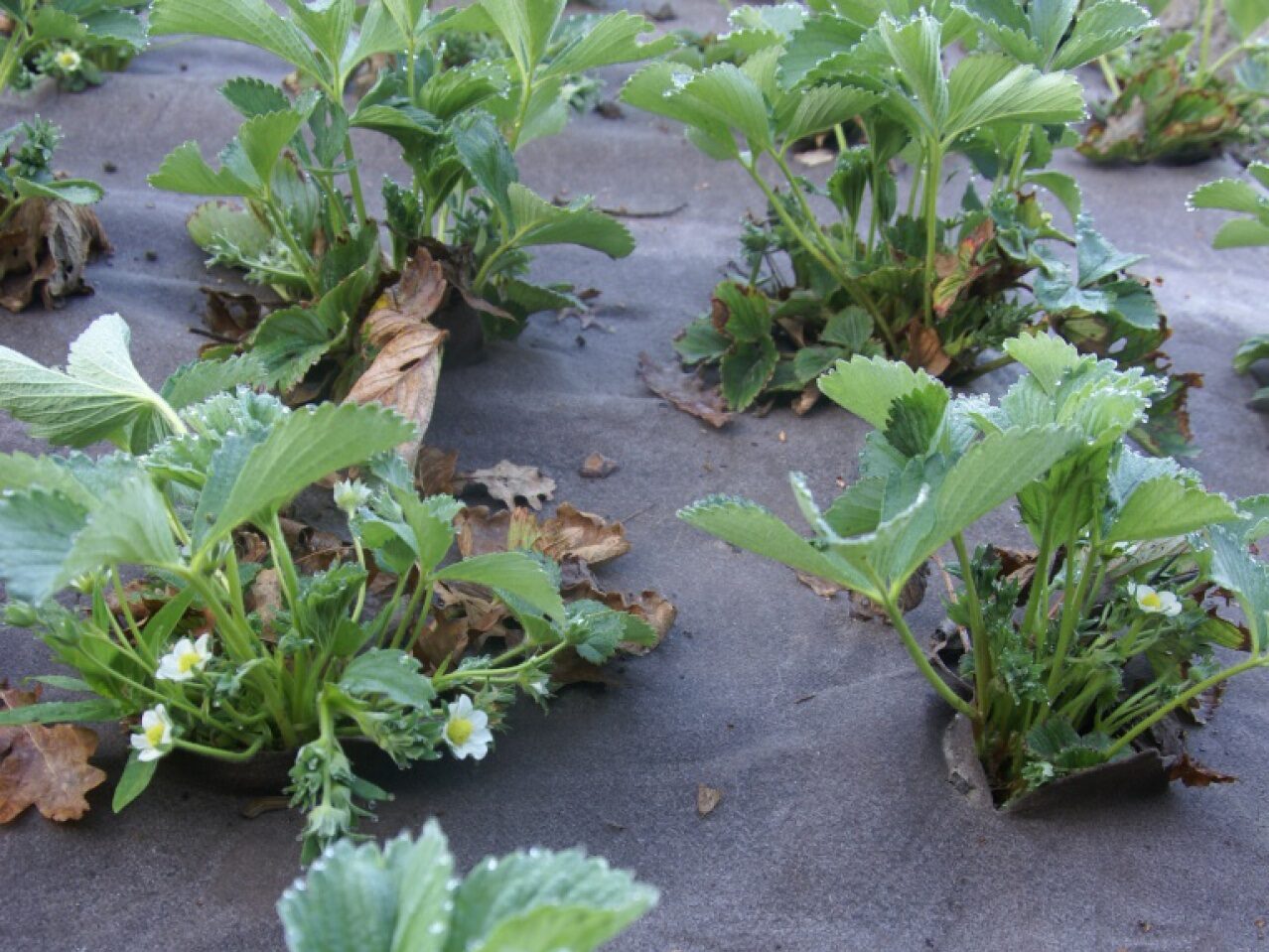
Ground Cover/Landscape Fabric - Porous, synthetic materials used to cover the soil surface. These materials block sunlight, thereby inhibiting weed germination and growth. Ground covers can be especially useful in garden beds and around perennial plants where maintaining weed control manually is challenging. We supply two types; a woven heavy duty plastic ground cover and a PLA biodegradable ground cover.
Benefits of Mulch
- Weed Suppression: Mulch forms a barrier that inhibits weed growth, reducing the need for manual weeding.
- Moisture Retention: By reducing evaporation, mulch helps soil retain moisture, reducing the frequency of watering.
- Temperature Regulation: Mulch acts as an insulator, keeping soil temperatures stable, which is especially beneficial for plant roots.
- Soil Health: As organic mulch breaks down, it enriches the soil with nutrients, improves soil structure, and encourages beneficial microbial activity.
- Erosion Control: Mulch protects bare soil from erosion caused by wind and rain, preserving its integrity.
When to Use Mulch
Mulch can be applied at any time of the year, but the best times are typically in spring and autumn. Spring mulching helps to suppress weeds and conserve moisture as plants begin to grow actively. Autumn mulching helps insulate soil during winter, retains warmth, and prepares beds for the following spring.
How to Use Mulch
- Prepare the soil: Before mulching, remove weeds and loosen the soil surface to ensure good contact between the soil and mulch.
- Apply mulch: For loose mulches; spread a layer of mulch evenly around plants, ensuring it's neither too thick nor too thin. Aim for a depth of 2-4 inches for most organic mulches. For mulch mats or fabric; just cut to the desired size and make holes for the plants to grow through.
- Keep mulch away from stems: Avoid piling mulch against plant stems to prevent rot and disease.
- Replenish as needed: Organic mulch decomposes over time, so top up as necessary to maintain the desired depth.
Potential Problems with Mulch
- Over-Mulching: Applying too much mulch can suffocate plant roots, leading to oxygen deprivation and moisture imbalance.
- Pest Habitat: Thick layers of mulch can provide hiding spots for pests such as slugs and snails.
- Fungal Diseases: Certain types of mulch, especially if too wet, can promote fungal diseases such as root rot.
- Nutrient Imbalance: Some mulches, particularly those high in carbon, may temporarily tie up nitrogen as they decompose, affecting plant growth.
Green Manures and Living Mulches
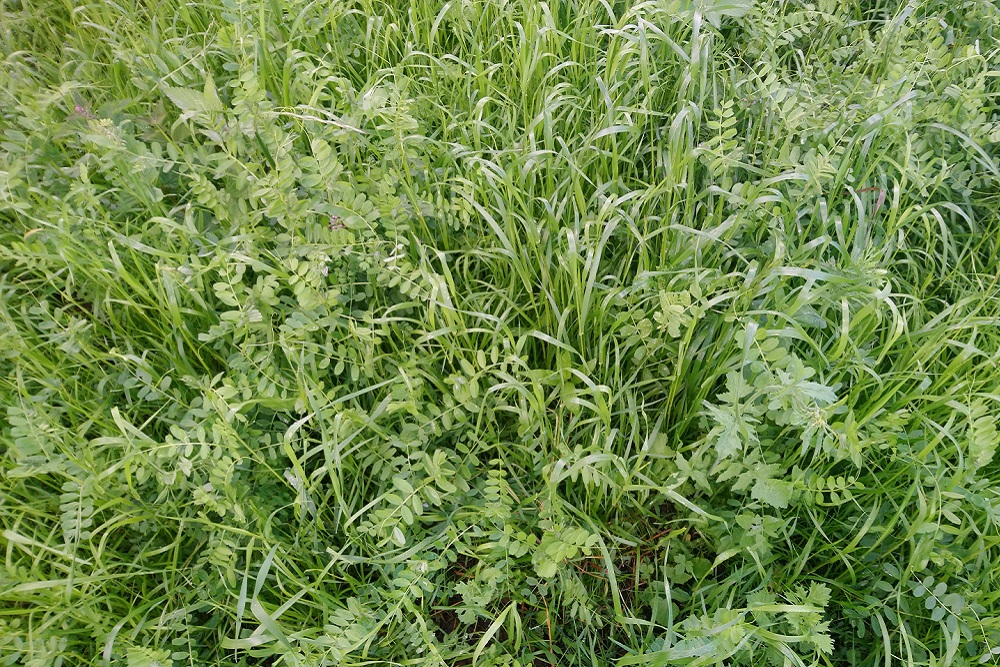
In addition to traditional mulches, green manures and living mulches can be used to cover soil while also improving soil health and biodiversity.
- Green Manures: These are crops (such as clover, vetch, or rye) that are grown specifically to be incorporated back into the soil. They are turned under while still green, adding organic matter and nutrients, particularly nitrogen. They help suppress weeds, reduce soil erosion, and improve soil structure. Green manures are typically grown during the off-season in vegetable gardens and tilled into the soil before planting the next crop.
- Living Mulches: These are ground-cover plants, such as a low growing Clover, Creeping Thyme, Mint or Lady's Mantle grown alongside crops. They offer similar benefits to traditional mulches, such as weed suppression, moisture retention, and protection against erosion, but they also contribute actively to soil fertility through their root systems. Living mulches are often used in permaculture systems or food forests, where maintaining a permanent cover crop helps build long-term soil health.