How To Grow Garlic

How To Grow Garlic
Garlic comes from the mountainous regions of Central Asia and has adapted to extreme changes in temperature including very cold nights. As a result, garlic performs best when subjected to a cold period of one or two months. Ground temperatures of between 0 - 10º celsius encourages optimum clove formation making it very suited to our Irish climate. Garlic enjoys a long growing season, it's best planted in the Autumn months however it can be planted with good results all the way up till Christmas and Late Planting varieties such as; Flavor, Cledor, Printanor, can be planted from January - March.
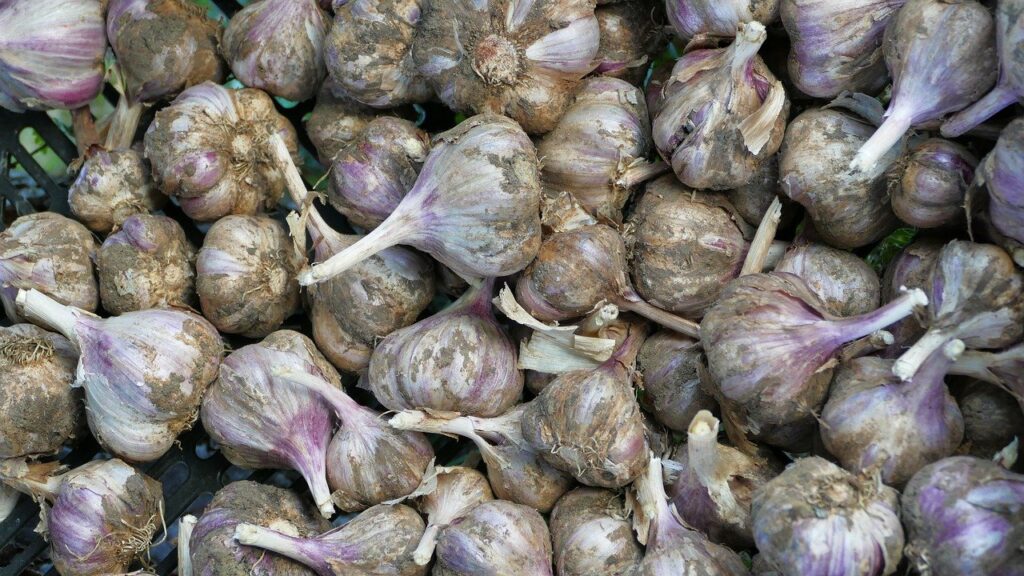
There are two main types of garlic: hardneck and softneck. Hardneck garlic produces a flower stalk (scape) and usually has smaller bulbs and cloves, while softneck garlic doesn't produce scapes and tends to have smaller bulbs and cloves. We have a great selection of Garlic - including varieties like Vallelado, Primor, Messidor and Morado etc. They are certified Organic and disease free. Avoid planting supermarket garlics as they may be irradiated and not suitable for planting, also they will not certified free from diseases.
Garlic is a member of the Allium family so be sure to follow a crop rotation and do not plant it in a bed where onions have been harvested.
Planting Garlic
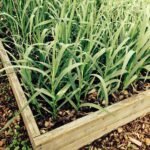
Choose an open, sunny site and well-drained soil. High humidity around the foliage and wet soils make the crop more prone to disease. If your soil is very heavy, it may be best to plant in a raised bed.
Prior to planting, improve the soil’s structure, moisture retention and nutrient levels by incorporating organic matter. Apply about two bucketfuls of well-rotted manure or other organic matter such as garden compost every square metre. You can also use an organic fertilser such as Topmix Complete or Biodigester Plant Food (roughly 200g per square meter). Avoid using fresh manure.
You may choose to plant your garlic through a ground fabric for weed control and soil protection.
Garlic is planted from bulb segments (cloves), so break up the bulb carefully into individual segments prior to planting. Make sure that the cloves are planted the right way up: the flatter basal plate should be facing downwards. Allow 15cm between individual cloves and 30cm between rows. Plant the cloves so the tips are 2.5cm below soil surface. Deeper planting can encourage better yields on light soils, but do not plant deeply on heavy soils

General Care
During the growing season, garlic appreciates consistent moisture, but it's important to avoid overwatering, as garlic bulbs can rot in waterlogged soil. Water deeply whenever the top inch of soil feels dry, and reduce watering as the garlic matures.
Keep well weeded - garlic doesn't like competition. It will also allow better air circulation through the crop.
Over-wintered garlic greatly benefits from an application of nitrogen-rich fertiliser in late Winter/early Spring. For a full feeding schedule check out our blog - Garlic Plant Nutrition Guide
Mulching helps conserve soil moisture, suppress weeds, and protect garlic from temperature fluctuations. A layer of Strulch could be applied around the garlic plants once they're established.
Pests & Problems
Garlic suffers from similar pest and disease problems as onions and leeks. Softneck cultivars occasionally produce a flower stalk if exposed to adverse growing conditions such as high temperatures or drought. If the bulbs start splitting the crop was harvested too late. Shallow planting and late harvesting can lead to some of the cloves going green. They can be used as normal, but they are unlikely to store well.
Harvesting & Storing
Garlic is usually ready to harvest when the lower leaves turn brown and start drying out. This is typically in June - August. Avoid waiting too long, as overripe bulbs can split and have reduced storage life.
Gently loosen the soil around the bulbs with a digging fork. Carefully lift the garlic plants, taking care not to bruise or damage the bulbs. Shake off excess soil and allow the garlic to cure by laying it in a warm, dry, and well-ventilated area for about 2-3 weeks.
Once cured, trim the roots and cut back the tops. Store garlic in a cool, dark, and well-ventilated place. Bulbs can be kept in mesh bags, braided together to promote air circulation and prevent sprouting.